High-Performance Smoothie Blenders: When Premium Power Really Pays Off
“Premium blender” is a loaded phrase. Some people buy one and never look back. Others buy one and realize they could have been perfectly happy spending half as much. This guide is built to answer the only question that matters: when does premium power actually change your daily smoothie results? You’ll get 10 high-performance picks (all listed in Quick Picks), plus a simple decision framework that keeps you from overbuying.

Quick Picks: High-Performance Smoothie Blenders (Premium Tier)
Ten premium picks with different strengths. Every blender reviewed below is listed here so you can jump straight to the right match.
-
Top Pick (Best Overall): Vitamix 5200
↓ Jump to Review -
Best “Set-and-Forget” Programs: Vitamix A2500 (Ascent)
↓ Jump to Review -
Best Value Premium (Often Discounted): Vitamix E320 (Explorian)
↓ Jump to Review -
Best For Thick Smoothie Bowls: Ninja TWISTi (SS151)
↓ Jump to Review -
Best For Greens Texture: Vitamix 750 (Professional Series)
↓ Jump to Review -
Best For “Buttons + Quiet” Experience: Breville Super Q
↓ Jump to Review -
Best Blender For Big Frozen Batches: Blendtec Designer Series
↓ Jump to Review -
Best Premium “Simple Workhorse”: Blendtec Total Classic
↓ Jump to Review -
Best Mid-Premium Hybrid System: Ninja Foodi Power Blender Ultimate (SS401)
↓ Jump to Review -
Best “Budget-Pro” Alternative: Ninja Detect Power Blender Pro (TB301)
↓ Jump to Review
What “High-Performance” Really Means for Smoothies
For smoothies, high-performance is not about bragging rights. It shows up in three real-world outcomes:
- Fewer stalls in thick blends: frozen fruit and dense add-ins keep moving instead of locking up the jar.
- Smoother greens: kale and fibrous greens break down more completely, with fewer “leaf flecks” and stringy bits.
- More predictable texture: you can repeat a recipe without constantly “fixing” it mid-blend.
Premium blenders also tend to hold up better under frequent stress (thick blends, ice, repeated cycles). That said, longevity still depends on basic care. If you want the simplest “do this, avoid that” checklist, use: Extending Blender Lifespan: Seal Care, Couplers, Bearings, and When to Replace Parts. (That’s the only informational cross-link in this article.)
Who Should Actually Pay for Premium Power
Premium makes sense if you are in at least one of these categories:
- Daily frozen fruit + thick texture: you want cold, dense smoothies without pouring in extra liquid.
- Greens-heavy routine: you blend kale, celery, or other fibrous ingredients and care about “silky” texture.
- High volume: a household that blends frequently, or meal preps smoothies in batches.
- You hate friction: your smoothie habit fails when blending feels annoying or inconsistent.
When Premium Is Not Worth It (Be Honest With Yourself)
Save your money if most of your smoothies are:
- Mostly liquid + soft fruit: banana, milk, fresh berries, peanut butter—midrange blenders do fine here.
- Occasional weekend smoothies: paying for “daily reliability” doesn’t help if you blend twice a month.
- Texture doesn’t matter: if you don’t mind a few berry seeds or minor chunks, you won’t feel the upgrade as strongly.
If you’re on the fence because your main goal is crushing ice for frozen drinks, check our ice-focused guide: Ice-Crushing Smoothie Machines: Models That Make Slush Without Burning Out. (That’s the only commercial cross-link in this article.)
Premium Buying Framework (Simple and Useful)
Premium blenders are expensive because they remove problems. Your job is to identify which problem you want removed. Use this quick framework:
1) If You Want Smooth Greens (Not Just “Blended”)
Prioritize models known for strong circulation and consistent high-speed blending. These are typically the blenders that turn kale into “drinkable” instead of “chewy.” If greens are daily, you’ll feel premium immediately.
2) If You Want Thick Frozen Smoothies Without Adding Liquid
Look for designs that handle dense blends without stalling. This is where many midrange blenders fail: they spin air instead of moving the mix. Premium blenders are often “boring” here—in a good way. They just keep going.
3) If You Want Predictability (Same Recipe, Same Result)
Programs and consistent speed control matter more than people admit. If your smoothie is made while you’re half-awake, a blender that makes the process repeatable can be worth real money.
Reviews: 10 High-Performance Smoothie Blenders Worth Considering
Premium pricing varies heavily by sales, bundles, and refurb programs. The picks below are organized by what they’re best at for smoothies, not by a single “most expensive wins” logic.
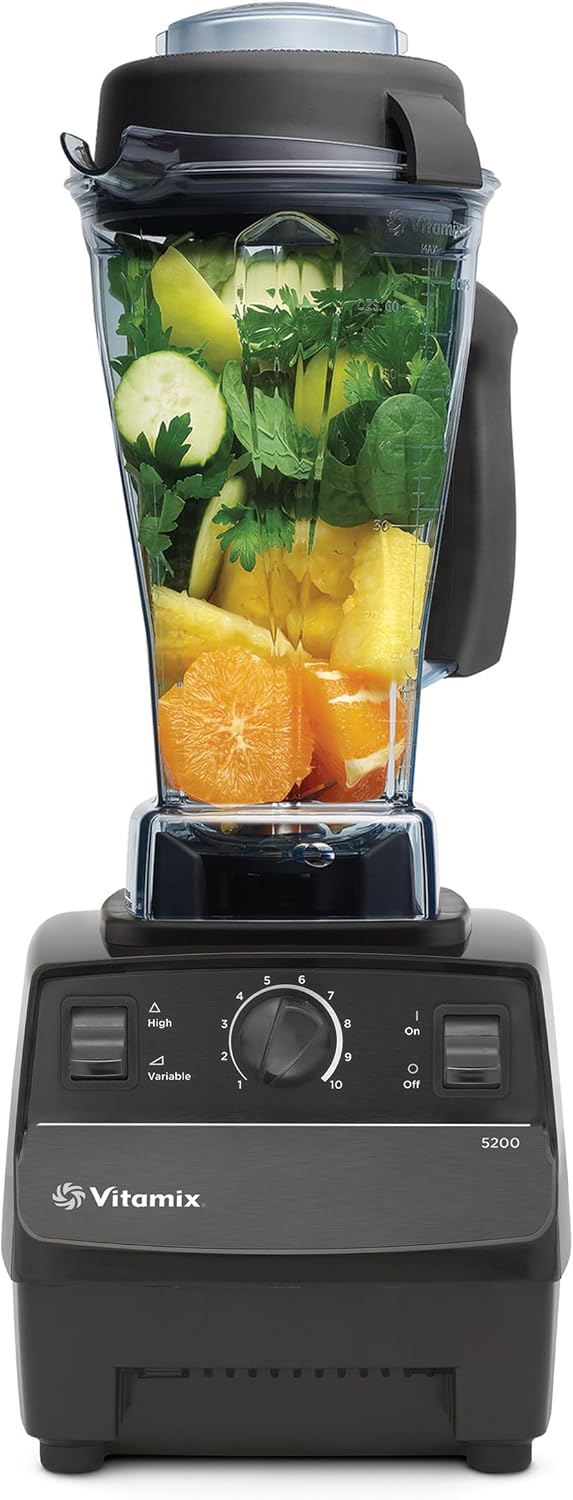
1. Vitamix 5200
This is the classic “buy it once” smoothie blender for a reason: it’s extremely good at the fundamentals—consistent texture, strong movement in frozen blends, and reliable results across many recipes. The 5200 is the blender you recommend to someone who doesn’t want to keep thinking about blenders ever again.
It pays off most when you do any combination of frozen fruit, greens, and thick add-ins (oats, nut butter, seeds) regularly. In other words: if smoothies are a habit, not a phase.
Vitamix 5200
Top pick for most people: consistently smooth results, strong frozen-fruit blending, and a proven “daily smoothie” workhorse.
- Reliable texture across many recipes
- Handles frozen fruit without constant stalling
- Strong for greens-heavy smoothies
- Great “buy once” option
- Best for people who blend often
2. Vitamix A2500 (Ascent Series)
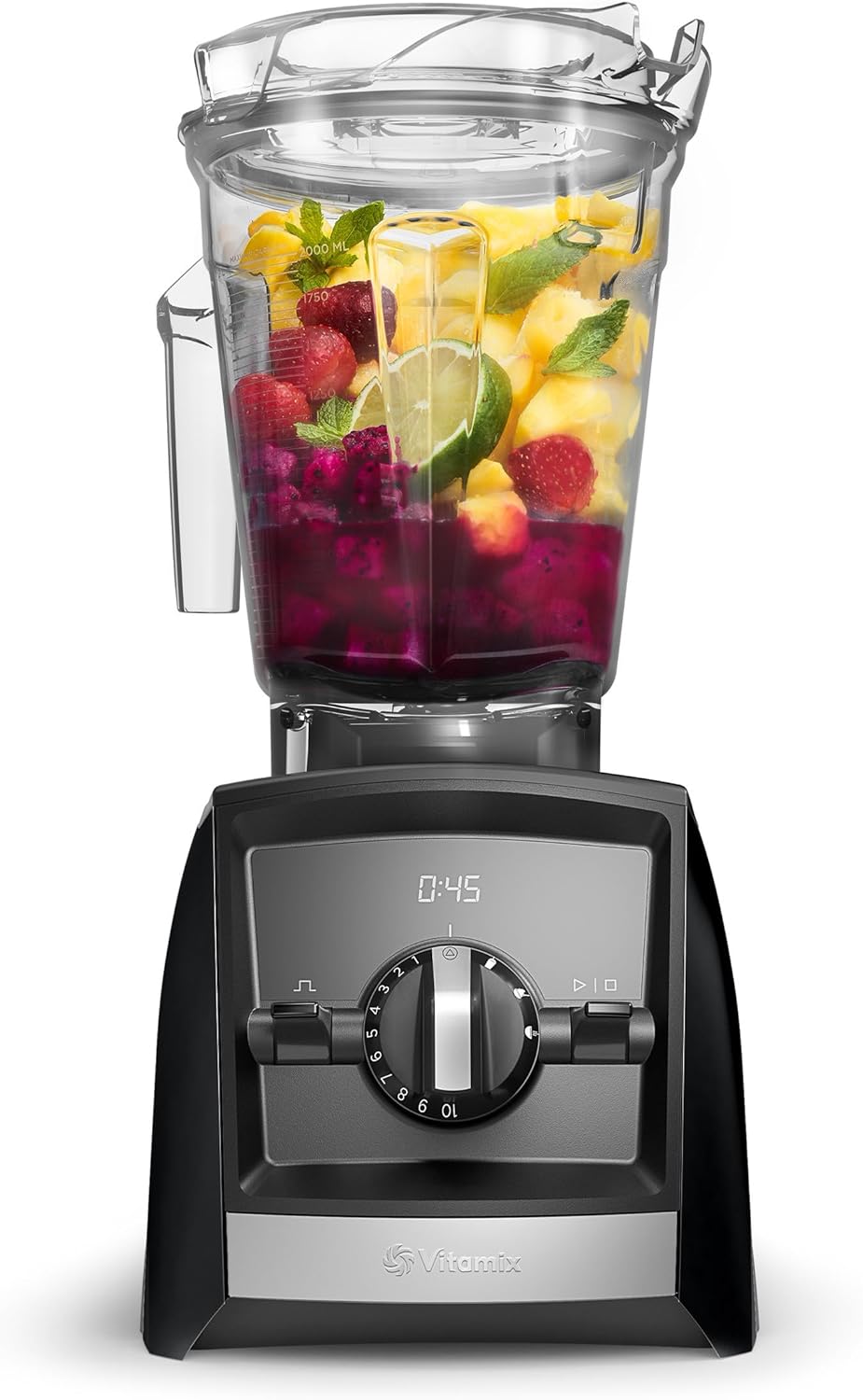
If you want premium performance with a more modern, guided experience, the A2500 is a strong fit. The main benefit is not “more power.” It’s that blending becomes more repeatable. That matters when you’re trying to get the same thick smoothie texture every day without thinking too hard about timing.
Choose this if you like the idea of a premium blender that feels more “appliance-like” (programs, simpler decision-making), while still delivering high-end smoothie texture.
Vitamix A2500 (Ascent)
Best for set-and-forget programs: premium smoothie performance with a more repeatable, guided blending experience.
- Programs improve repeatability
- Great for frozen fruit + greens routines
- Strong for thick blends without constant babysitting
- More “modern” feel than manual-only models
- Ideal for consistent daily results
3. Vitamix E320 (Explorian Series)
The E320 is often the “entry point” into premium blending. The reason it’s popular is simple: it tends to deliver the core premium benefits—stronger frozen blending and smoother texture—without requiring a top-tier budget.
If you want a premium blender primarily for smoothies (not a gadget collection), this is one of the most rational buys when pricing is favorable.
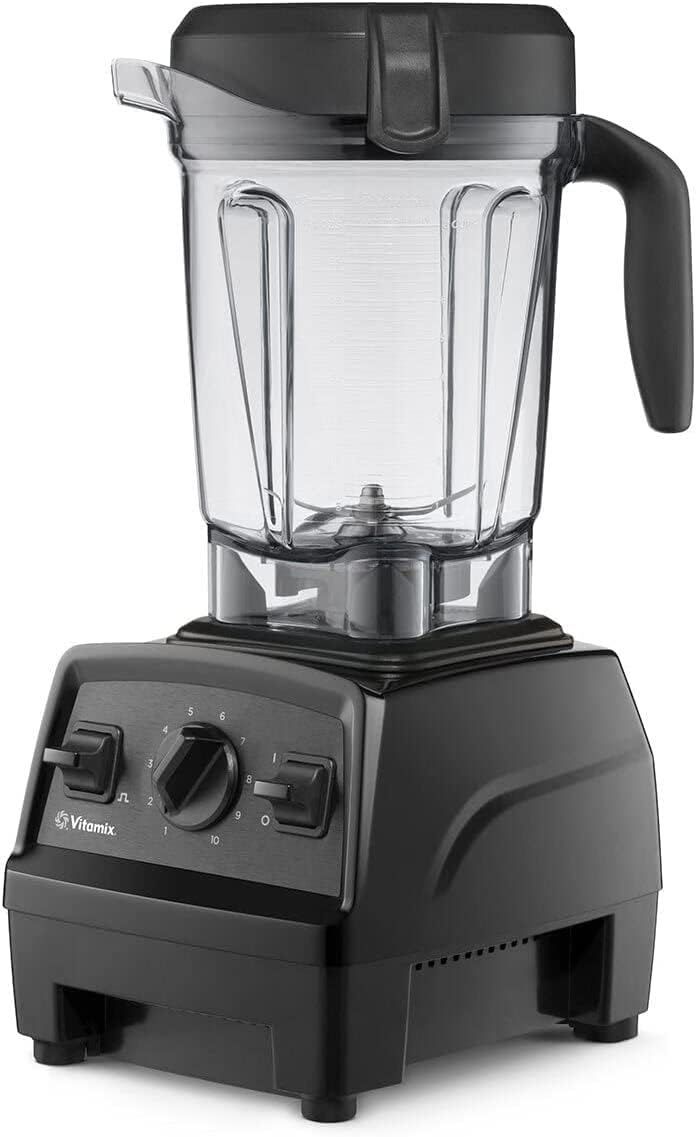
Vitamix E320 (Explorian)
Best value premium: a practical gateway to high-performance smoothie texture, often priced below flagship tiers.
- Strong upgrade for frozen fruit smoothies
- Smoother greens than most midrange models
- Great “premium fundamentals” value
- Good fit for daily blending
- A smart choice when discounted
4. Ninja TWISTi (SS151)
Thick smoothies (and smoothie bowls) expose the weak point of many blenders: the ingredients stop moving. The TWISTi-style design is built around that problem—helping dense blends keep circulating without forcing you to pour in extra liquid.
If your “ideal smoothie” is closer to spoonable than drinkable, this is one of the most practical picks on this list. It’s not trying to be a restaurant-grade blender; it’s trying to solve a specific, daily user problem.
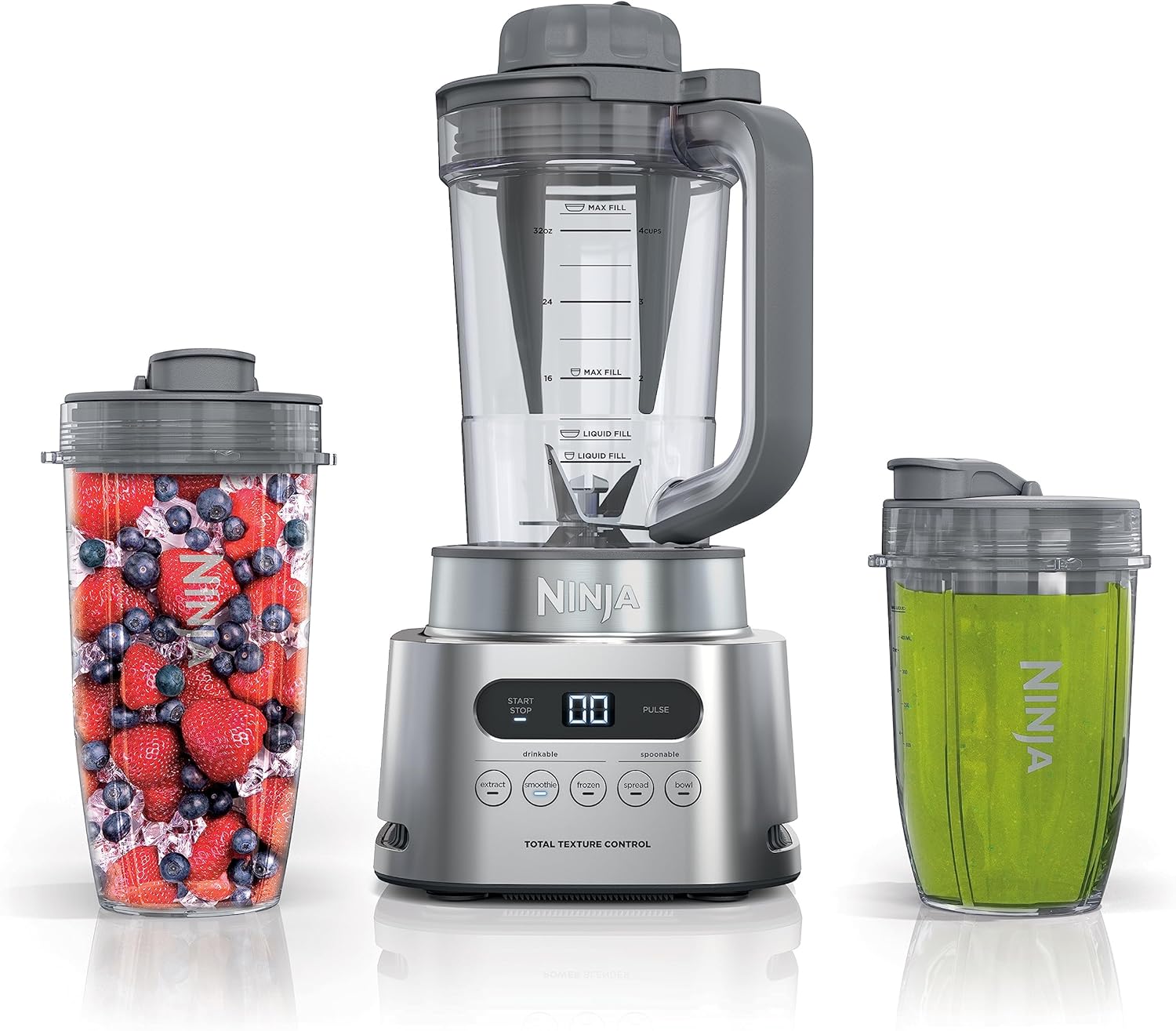
Ninja TWISTi (SS151)
Best for thick smoothie bowls: better movement in dense frozen blends with minimal liquid.
- Excellent for thick, cold blends
- Less “spin air” frustration in dense mixes
- Great for frozen fruit + heavy add-ins
- Personal-size workflow is fast
- Ideal for bowl-style textures
5. Vitamix 750 (Professional Series)
This is one of the strongest “greens-first” choices if you want premium results but also like the comfort of presets. The Vitamix 750 is built around consistent circulation and a clean finish, which is exactly what most people want when they say they’re chasing “silky smoothies” — especially with spinach, kale, or mixed greens.
The real benefit isn’t just power. It’s repeatability. The preset programs reduce timing mistakes and keep the texture more consistent when you’re blending daily (or when your recipes vary). If you blend greens often and you’re tired of “leaf flecks” or fibrous mouthfeel, the 750 is a practical upgrade that you feel immediately.
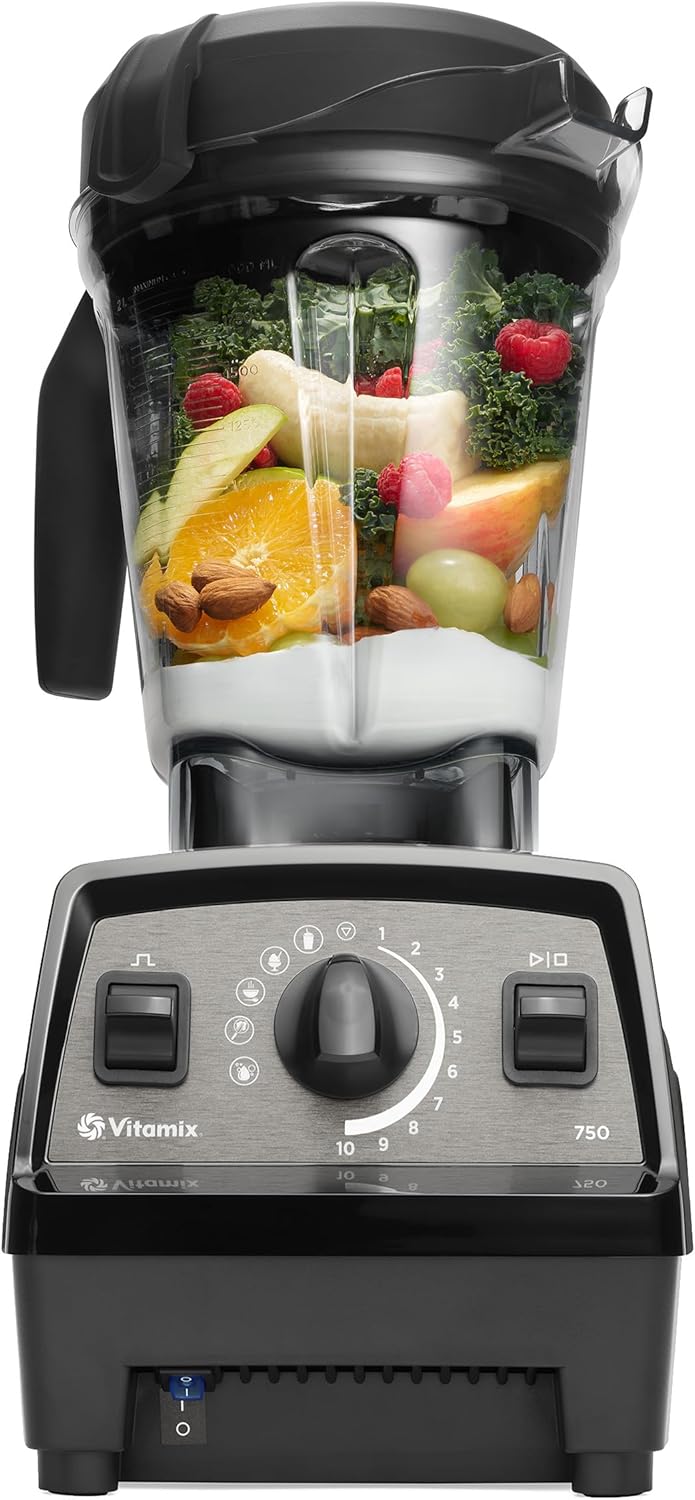
Vitamix 750 (Professional Series)
Best for greens texture with presets: a premium blender that delivers consistently smoother leafy smoothies with less guesswork.
- Excellent finish on greens-heavy smoothies
- Presets improve repeatability for daily routines
- Strong frozen-fruit performance in thicker blends
- More consistent texture vs typical midrange models
- Ideal for people who want premium results with guidance
6. Breville Super Q
Some premium blenders focus on raw results. Others focus on the user experience: buttons, presets, and a calmer kitchen routine. The Super Q category is for people who want a premium smoothie blender that feels polished and easy to live with.
If noise and “appliance feel” matter to you as much as texture does, this is a category worth considering. It’s often chosen by people who blend frequently and don’t want the blender to feel like a power tool.
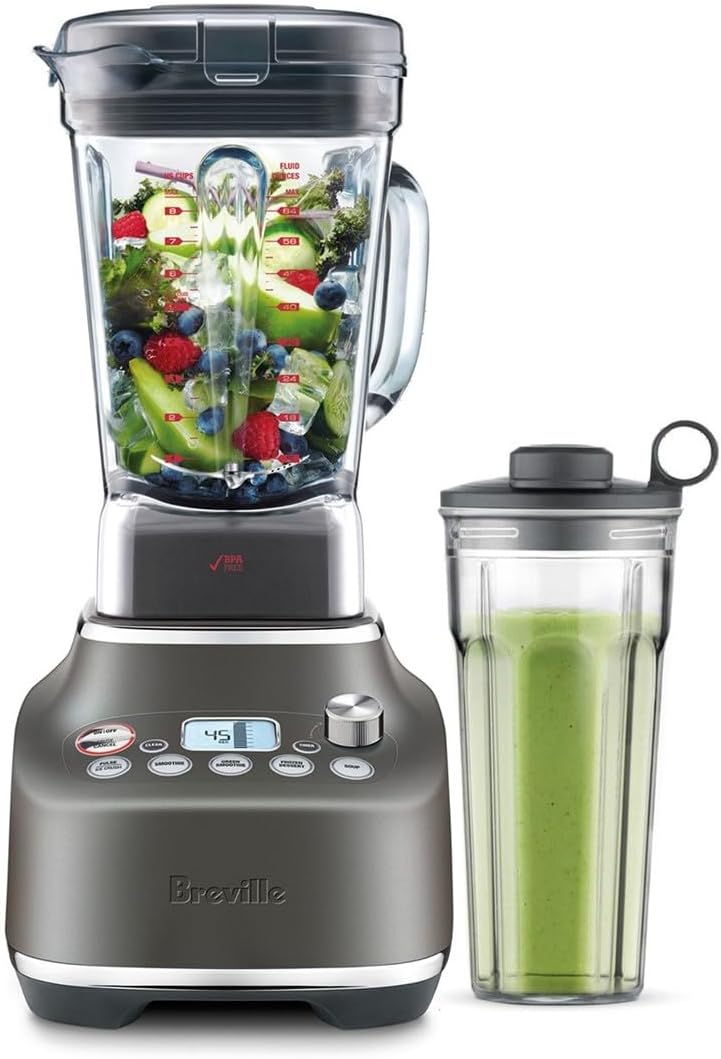
Breville Super Q
Best for a polished experience: strong smoothie results with a more guided, “premium appliance” feel.
- Preset-driven workflow for consistency
- Great for frozen fruit and mixed smoothies
- Refined day-to-day usability
- Good fit if noise sensitivity matters
- Strong premium alternative to classic pro lines
7. Blendtec Designer Series
Blendtec is a serious contender in premium blending, especially if you want big batches and strong frozen performance. The “premium” benefit you notice is how well it handles demanding blends without needing constant intervention.
If your smoothies often involve frozen fruit plus extras (oats, seeds, greens, thick yogurt), Blendtec’s strength is that it tends to keep the process efficient and predictable—less babysitting, more results.

Blendtec Designer Series
Best for big frozen batches: premium-level power and programs for people who blend frequently and want predictable results.
- Strong frozen fruit performance
- Good for batch smoothies and families
- Programs improve repeatability
- Handles thick add-ins confidently
- Excellent “premium productivity” choice
8. Blendtec Total Classic
The Total Classic line is a practical way to get Blendtec-style performance without paying for every modern upgrade. For smoothie buyers, that can be a smart trade: you want the results, not necessarily the newest interface.
Choose this if you want a premium blender that feels straightforward and purposeful—especially for frozen fruit and thick smoothie routines.
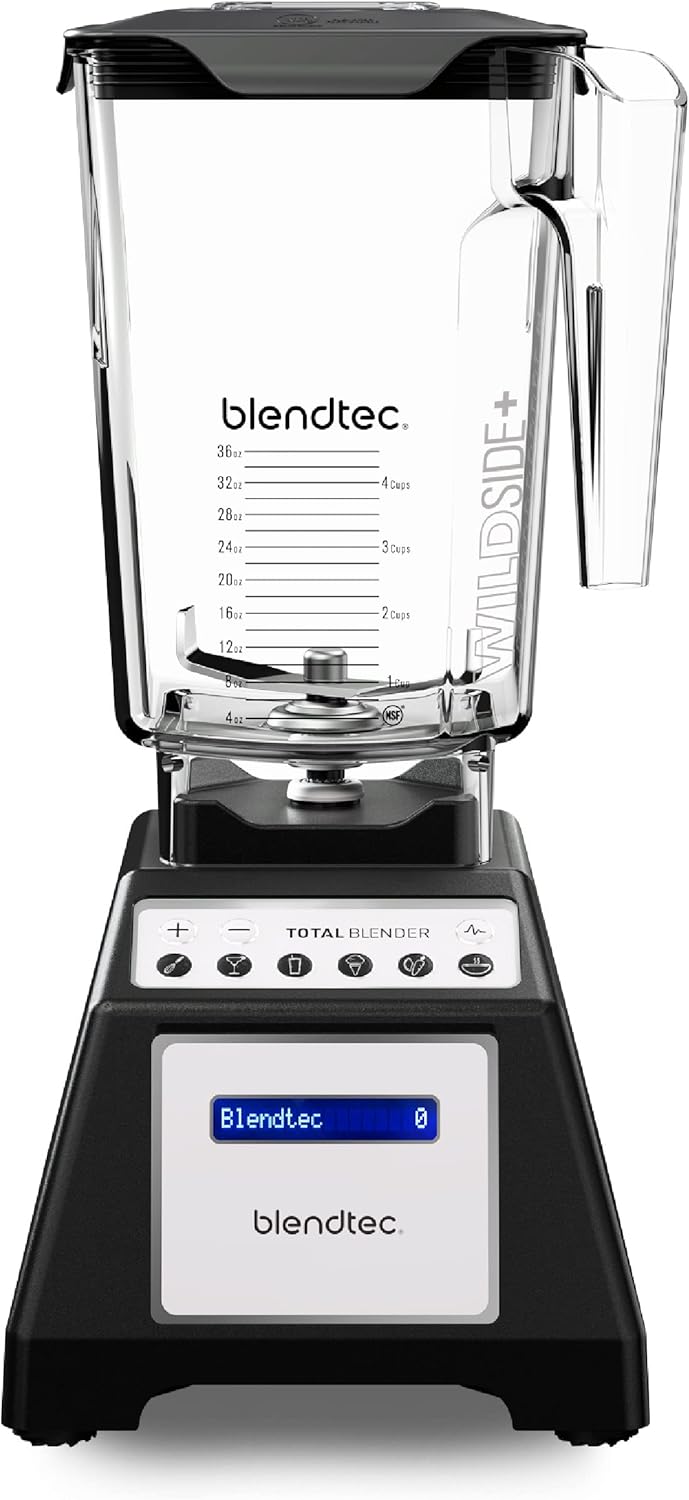
Blendtec Total Classic
Best premium simple workhorse: strong smoothie performance with fewer “extras” and a more straightforward approach.
- Excellent for frozen fruit smoothies
- Strong results without complex workflow
- Great fit for frequent blending
- Often better value than flagship models
- Good choice if you prefer simplicity
9. Ninja Foodi Power Blender Ultimate (SS401)
Not every “premium-ish” buyer wants a single-purpose smoothie machine. If you want one base that covers: pitcher blending, smoothie bowls, and personal servings, a hybrid system can be rational—even if it’s not the absolute top of the premium tier.
This category makes sense for households where different people want different textures: one person wants drinkable smoothies, another wants thick bowls, and someone else wants frozen drinks on weekends.
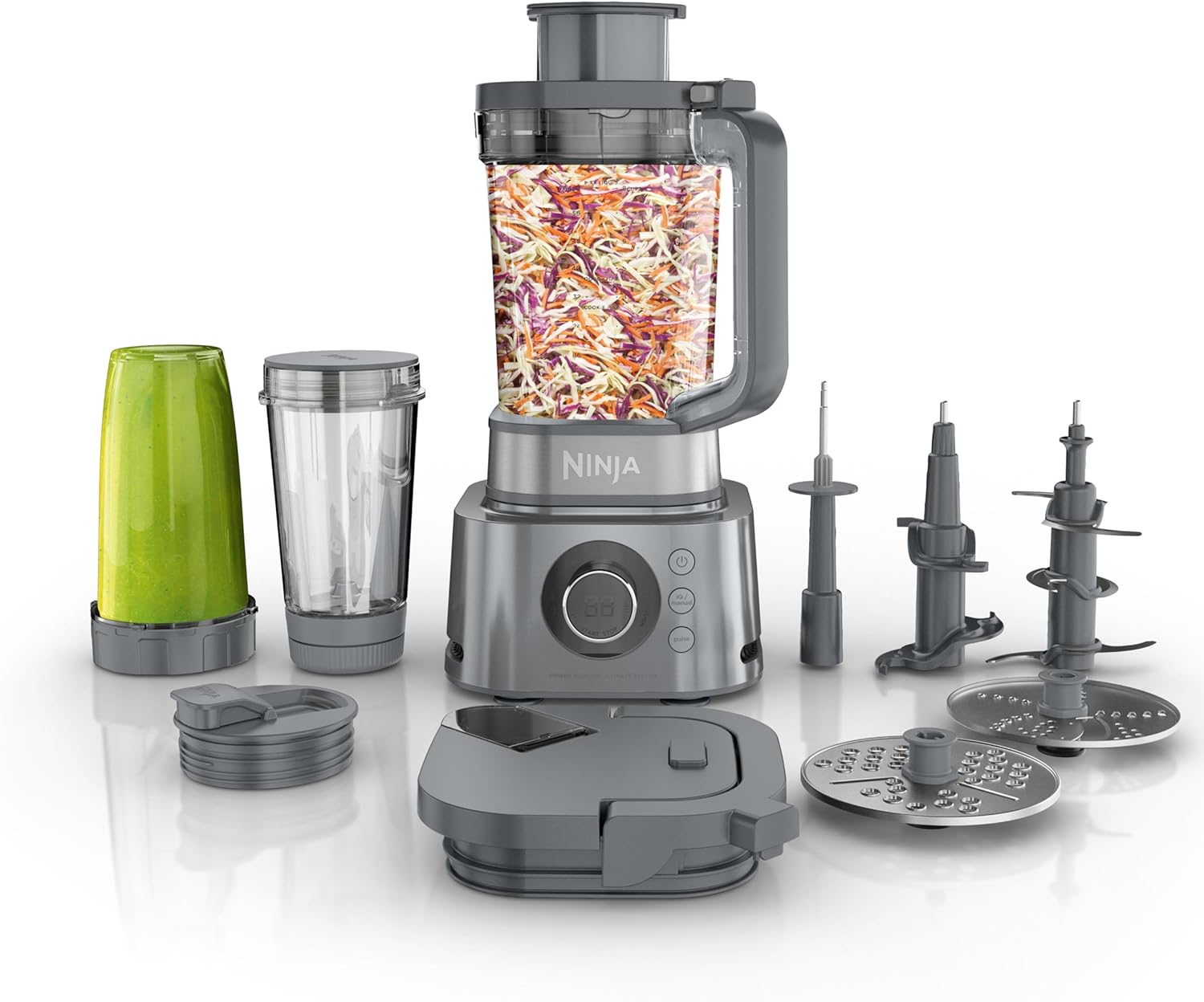
Ninja Foodi Power Blender Ultimate (SS401)
Best mid-premium hybrid: one system for pitcher smoothies, personal cups, and thicker bowl-style blends.
- Versatile formats for different routines
- Good frozen fruit performance for the category
- Useful for both drinkable and thick blends
- Great for shared kitchens
- Value improves when bundled on sale
10. Ninja Detect Power Blender Pro (TB301)
This is the “smart value powerhouse” option: a blender that tries to give you some of the premium experience (more predictable blending, fewer stalls, less babysitting) without premium pricing. The main appeal is the detection-based approach — it’s designed to adjust blending behavior based on what’s in the jar, which can help when your smoothie recipes change day to day.
Set expectations correctly: it won’t replace true flagship performance for ultra-silky greens or extreme thick blends, but for most households it’s a very rational upgrade from basic jar blenders — especially if you make frozen-fruit smoothies regularly and want more consistency with less effort.
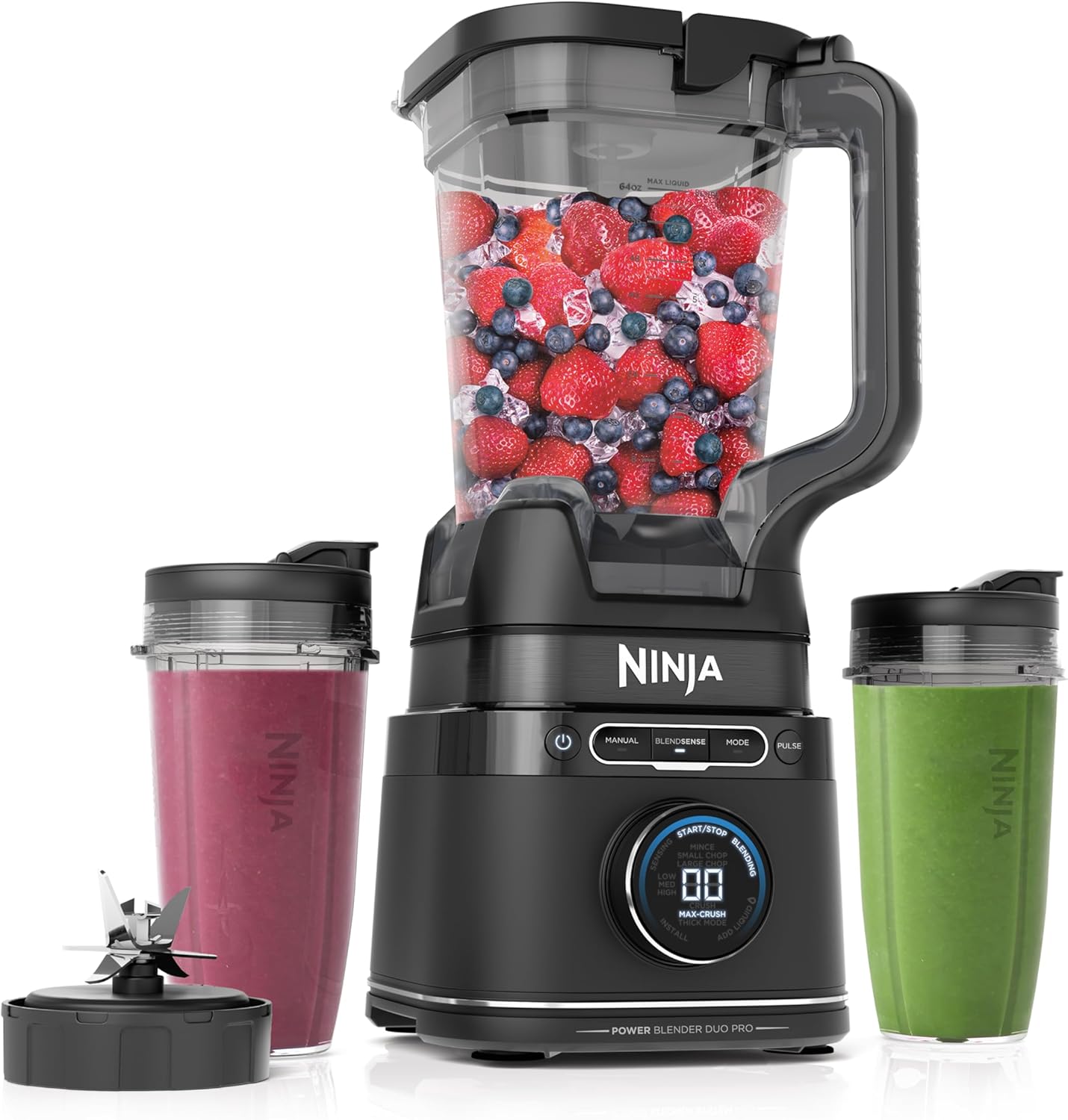
Ninja Detect Power Blender Pro (TB301)
Best smart value powerhouse: detection-driven blending that helps frozen smoothies come out more consistent with less trial-and-error.
- BlendSense-style detection improves “hands-off” blending
- Strong everyday frozen-fruit smoothie performance
- More consistent results when recipes vary
- Good value alternative to premium flagships
- Best for families who want power + convenience
How to Choose in 60 Seconds
If you want a fast decision that’s usually correct:
- You want the safest premium buy for smoothies: Vitamix 5200.
- You want programs and repeatability: Vitamix A2500.
- You want premium results but better value: Vitamix E320.
- You want thick smoothie bowls: Ninja TWISTi SS151.
- You want big batches and premium frozen performance: Blendtec Designer Series.
- You want a polished “premium appliance” feel: Breville Super Q.
Bottom Line
Premium power pays off when it removes the exact friction that breaks your smoothie routine: stalling, inconsistent texture, and struggling with greens or thick frozen blends. If those problems are real for you, a high-performance blender is not a luxury— it’s a practical upgrade that makes daily habits easier.