$100–$200 Smoothie Blender Sweet Spot: Value Models Worth Buying
If you’ve tried to make frozen-fruit smoothies on a cheap blender, you already know the failure pattern: it starts fine, then the mix stops moving, the blades spin air, and you “fix” it by adding more liquid until the smoothie turns thin. That isn’t user error. It’s what low-end blenders do when they run out of torque and circulation. The good news: the $100–$200 range is where smoothies get noticeably easier. You’re not paying for luxury. You’re paying for fewer stalls, better texture, and a routine you actually stick to.

Quick Picks: Best $100–$200 Smoothie Blenders
Ten value models. Every blender reviewed below appears here so you can jump straight to the best match.
-
Best Overall Value (Most People): Ninja Professional Plus (BN701)
↓ Jump to Review -
Best Personal Blender Upgrade: NutriBullet Pro+ 1200
↓ Jump to Review -
Best for Thick Smoothies (Less Liquid): Ninja TWISTi (SS151)
↓ Jump to Review -
Best Multi-Use Jar + Cups: Ninja Foodi Power Nutri Duo (SS101)
↓ Jump to Review -
Best “Set-and-Forget” Programs: NutriBullet Smart Touch (1500W series)
↓ Jump to Review -
Best Glass-Jar Option: KitchenAid K400 (sale-range pick)
↓ Jump to Review -
Best for Everyday Greens: KitchenAid K150
↓ Jump to Review -
Best Simple Pitcher Blender: Oster Pro 1200 (value pick)
↓ Jump to Review -
Best “Big Batch” Capacity: Ninja Mega Kitchen System (selected bundles)
↓ Jump to Review -
Best Minimalist Premium Personal: Beast Blender (sale-range pick)
↓ Jump to Review
Why $100–$200 Is the “Sweet Spot” for Smoothies
Under $100, you can get a blender that works—sometimes. In the $100–$200 range, you start getting models that work consistently. That consistency comes from three improvements:
- More usable torque: thicker blends don’t collapse into stall mode as quickly.
- Better circulation design: jar and blade systems are more likely to keep ingredients moving.
- More practical features: programs, better lids, sturdier bases, and fewer annoying “quirks.”
One important reality check: marketing loves “watts,” but smoothies care about how the blender maintains movement under load. If you want the simplest explanation of what actually matters, read: Blender Blade Basics: Why Blade Shape Matters More Than “Watts” for Smoothies. (That’s the only informational cross-link in this article.)
Who This Guide Is For
This list is for people who want smoothies to feel easy—frozen fruit, daily greens, thicker textures when needed— without paying premium pricing. If you just need the cheapest option that “basically blends fruit,” you’ll likely do fine with our budget list: Smoothie Blenders Under $100: What Actually Handles Frozen Fruit. (That’s the only commercial cross-link in this article.)
How to Choose Correctly (Without Overthinking)
Don’t start by shopping for “the strongest.” Start by deciding which workflow you will actually use. In this price range you typically choose between:
- Personal-cup systems: faster routine, easier cleanup, great for single servings, usually better with thick blends per serving.
- Pitcher blenders: better for families, meal prep, and big batches, but require more cleaning and can be more sensitive to circulation.
- Hybrid systems: pitcher + personal cups—best if you switch between “solo smoothie” and “family batch.”
The 3 Tests That Matter for Smoothies
- Frozen fruit start: does it begin blending without immediately stalling?
- Thick blend recovery: if it starts to stall, can it recover with pulsing (without dumping in extra liquid)?
- Greens finish: does spinach disappear, or do you get “leaf flecks” and stringy texture?
Reviews: 10 Value Models Worth Buying
Notes on pricing: models in this tier frequently move with promotions and bundles. The goal of this list is the value class—blenders that commonly land in the $100–$200 range depending on sales, colors, and kits.
1. Ninja Professional Plus (BN701)
If you want one “safe” recommendation for most households, this is it. The Ninja Professional Plus style blender is built around a simple idea: make frozen blending easy and fast with straightforward controls and programs. It’s a strong fit for people who do frozen fruit often and want big batch capacity without the premium price.
The main reason it works in this tier is reliability: it tends to keep moving in frozen blends better than many low-end jars, which means fewer watery “fixes.”
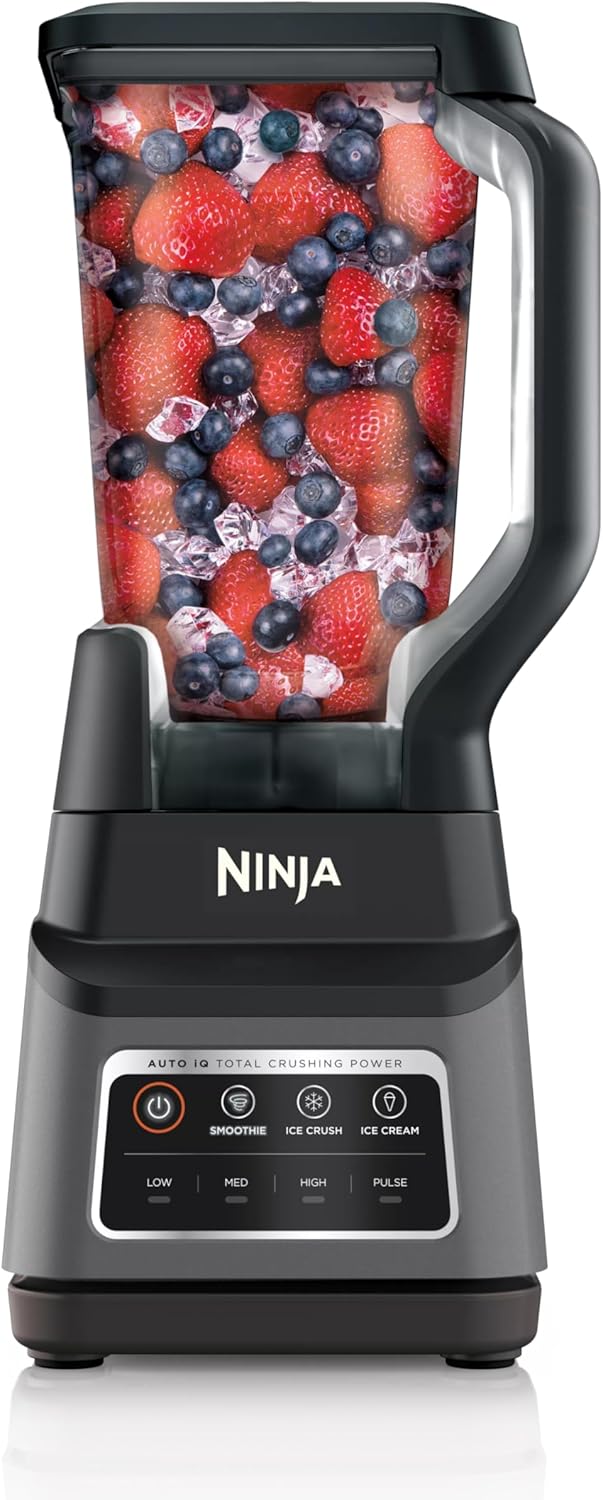
Ninja Professional Plus (BN701)
Best overall value for most people: big batches, solid frozen-fruit performance, and simple Auto-iQ style programs.
- Strong everyday frozen-fruit performance
- Good for families and meal prep
- Programs reduce guesswork
- Better consistency than typical budget jars
- A practical “one blender for the household” pick
2. NutriBullet Pro+ 1200
This is a smart upgrade for people who already like personal blenders but want better frozen results. The Pro+ class is less about fancy features and more about headroom—you can run colder, thicker blends without immediately stalling. That matters if frozen berries, mango, and thick add-ins are daily staples.
If your priority is speed + minimal cleanup + consistent single servings, this belongs near the top of your list.
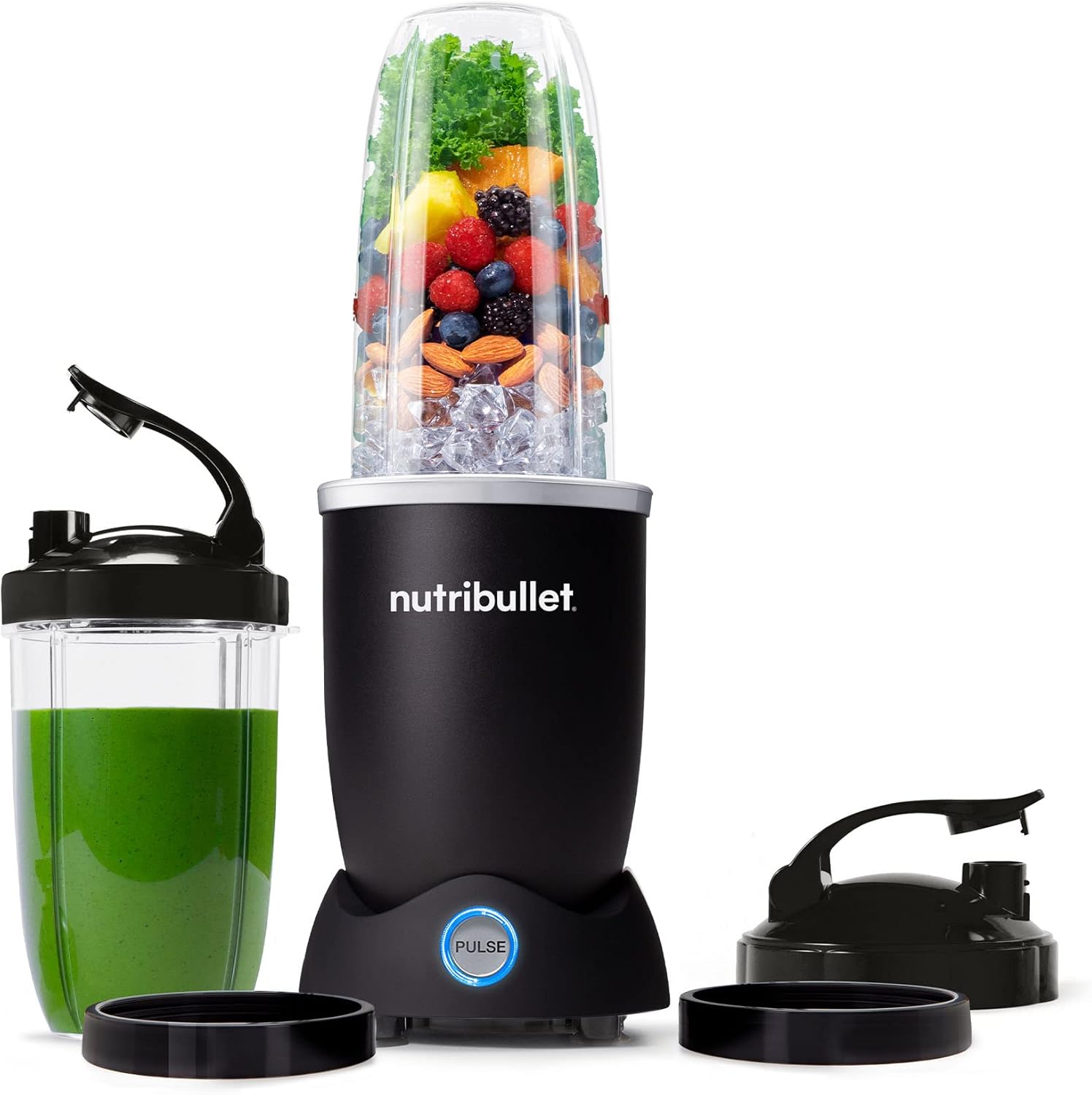
NutriBullet Pro+ 1200
Best personal blender upgrade: better frozen-fruit texture and more confidence in thicker single-serve blends.
- Great routine blender (blend + to-go cup)
- Improves frozen-fruit smoothness
- More forgiving in thicker mixes
- Minimal parts for fast cleanup
- Excellent for daily single servings
3. Ninja TWISTi (SS151)
Thick smoothies are where most blenders expose their limits. The TWISTi-style approach is designed for that pain point: you want the smoothie dense and cold, not diluted. This is a strong pick if you regularly make “meal smoothies” with frozen fruit, yogurt, and add-ins—and you don’t want to babysit the blend.
It’s not for everyone. If you mostly make drinkable, thin smoothies, you don’t need a thickness-oriented system. But if you consistently push thickness, this is one of the more practical midrange picks.
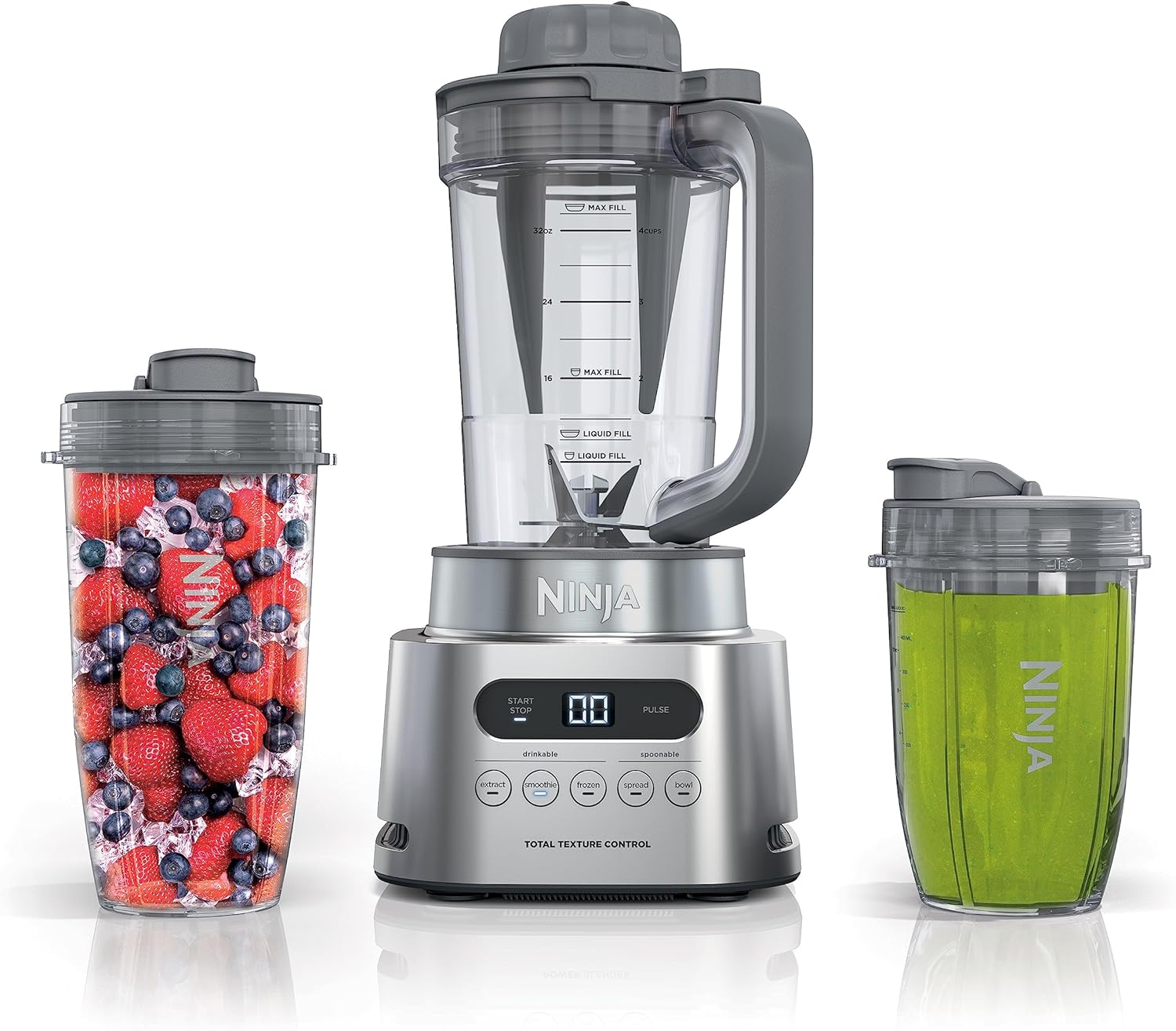
Ninja TWISTi (SS151)
Best for thick smoothies: designed to handle denser blends with less liquid and fewer stalls.
- Better behavior in thick, cold smoothies
- Useful for frozen fruit + heavy add-ins
- Reduces “spin-air” stall moments
- Great fit for meal-style smoothies
- Personal-serving workflow and cleanup
4. Ninja Foodi Power Nutri Duo (SS101)
If you want flexibility—pitcher for batches and cups for fast mornings—this hybrid category is the practical choice. It’s especially useful if your household alternates between “one smoothie now” and “two or three servings for later.”
The value here is not just convenience. Hybrid systems often reduce the temptation to use the wrong tool. You’ll stop forcing a big jar to make one serving, and you’ll stop forcing a personal cup to make four servings.
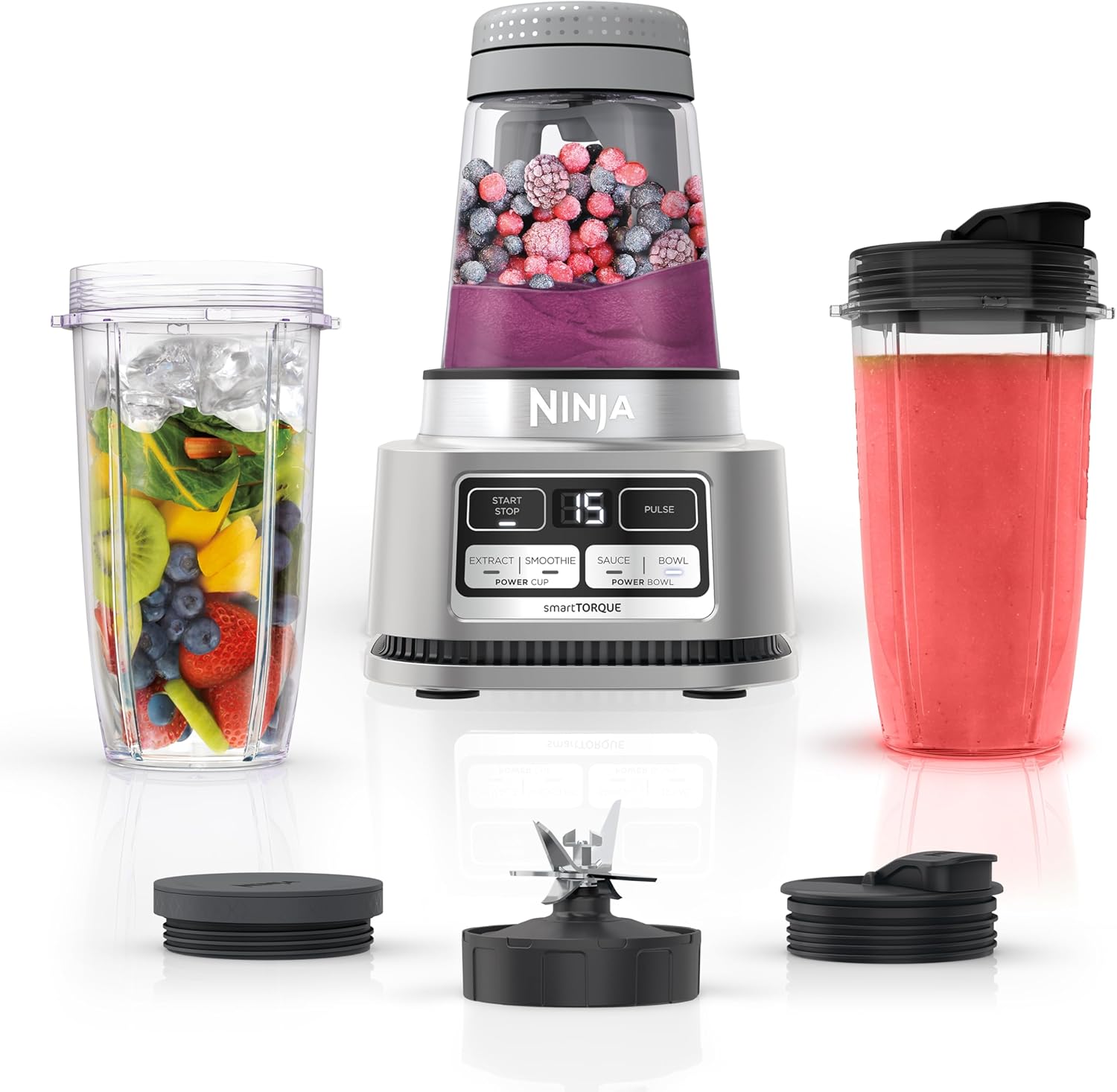
Ninja Foodi Power Nutri Duo (SS101)
Best multi-use option: pitcher + cups in one system for households that switch between solo and batch blending.
- Pitcher for batches, cups for quick servings
- Solid frozen-fruit performance for the price tier
- More flexible than single-format blenders
- Better “use the right tool” workflow
- Good value when found in the sweet spot range
5. NutriBullet Smart Touch (1500W series)
Some people don’t want to manage blending manually. They want a program that runs a predictable cycle: it starts, pulses, ramps up, and finishes. In the midrange, “smart program” blenders can be genuinely useful because they reduce user error—especially with frozen blends where timing matters.
The right expectation: programs don’t replace good ingredient order, but they make the process more repeatable. If your smoothie routine fails because you’re rushing, this category can be a practical fix.
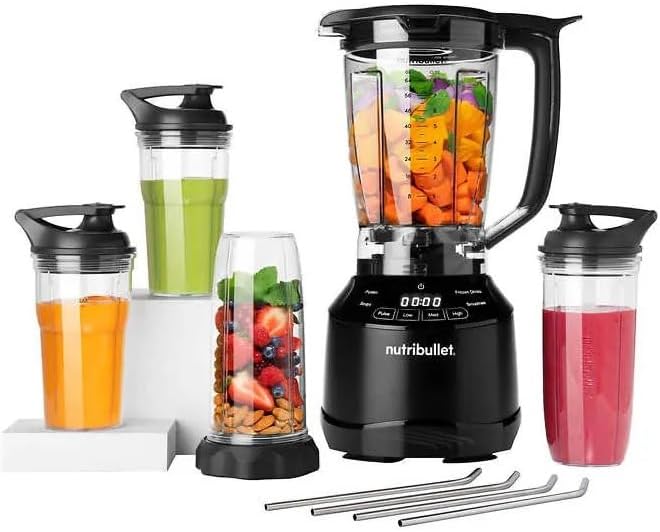
NutriBullet Smart Touch (1500W series)
Best for set-and-forget programs: predictable blending cycles that reduce guessing and rushed mistakes.
- Programs improve repeatability
- Useful for rushed mornings
- Good frozen-fruit performance for midrange
- Helps avoid under-blended chunks
- Great for people who prefer presets
6. KitchenAid K400 (sale-range pick)
KitchenAid models in this tier appeal to a different buyer: you care about build quality and a calmer daily experience. When these land in the sweet-spot range (often through sales), they can be a good “buy once, use for years” choice.
For smoothies, the K400-class blender is a solid pitcher option if you’re focused on consistent texture and you want a blender that feels more refined than the typical bargain jar.
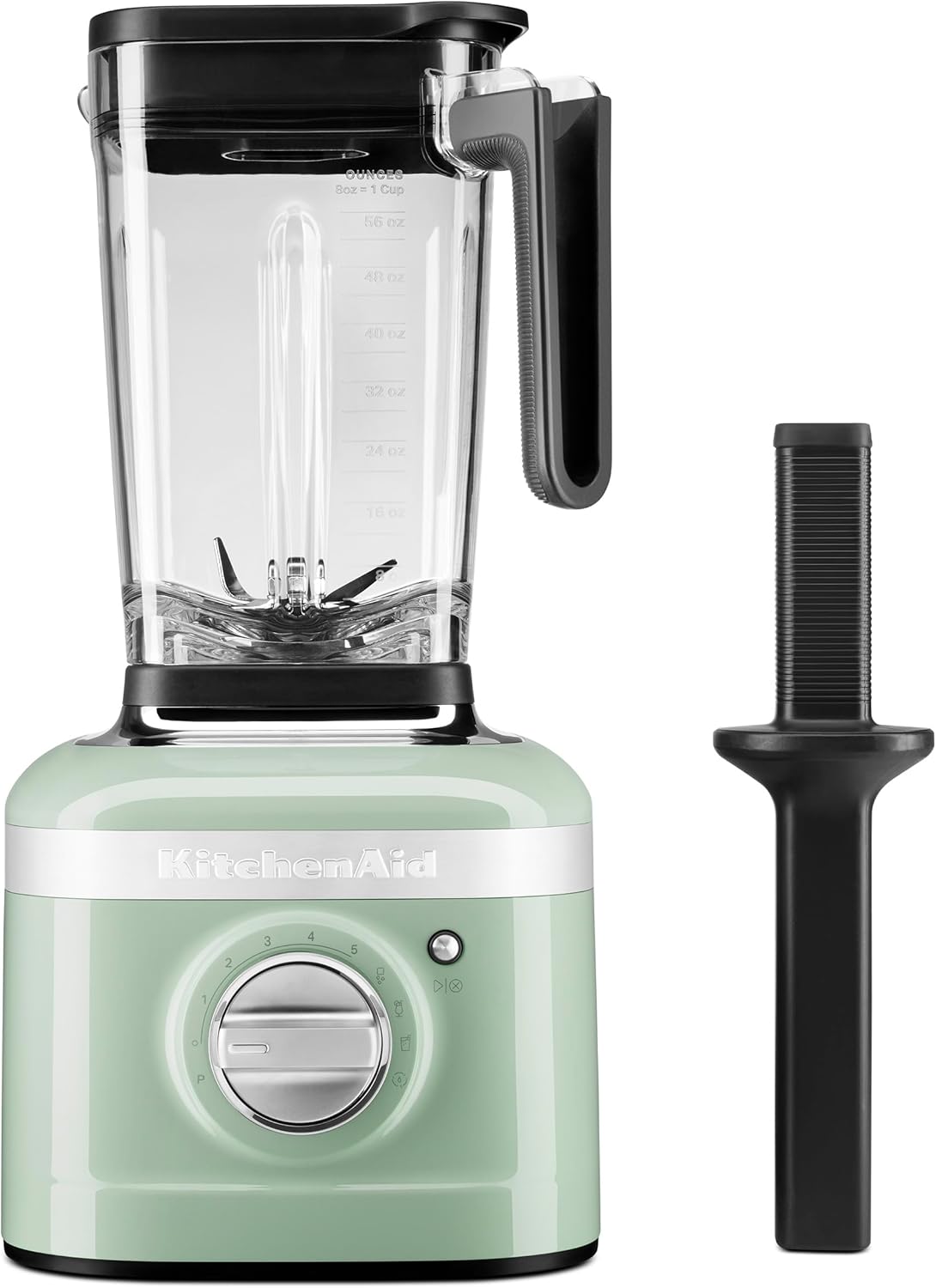
KitchenAid K400 (sale-range pick)
Best glass-jar-style premium feel (when discounted): a more refined pitcher blender experience with strong smoothie consistency.
- Refined build and daily usability
- Good smoothie texture consistency
- Pitcher workflow for batches
- Best value when found on sale
- A “keep it for years” type purchase
7. KitchenAid K150
If you make smoothies with greens often, you don’t just need power—you need a blender that gives you a clean finish. The K150-class blender can be a practical midrange option for people who want everyday smoothies, sauces, and general blending without overcomplicating the machine.
This is the “balanced kitchen blender” choice: not a specialty thick-bowl tool, not a premium pro machine, just a solid midrange pitcher blender that performs well with typical smoothie ingredients.
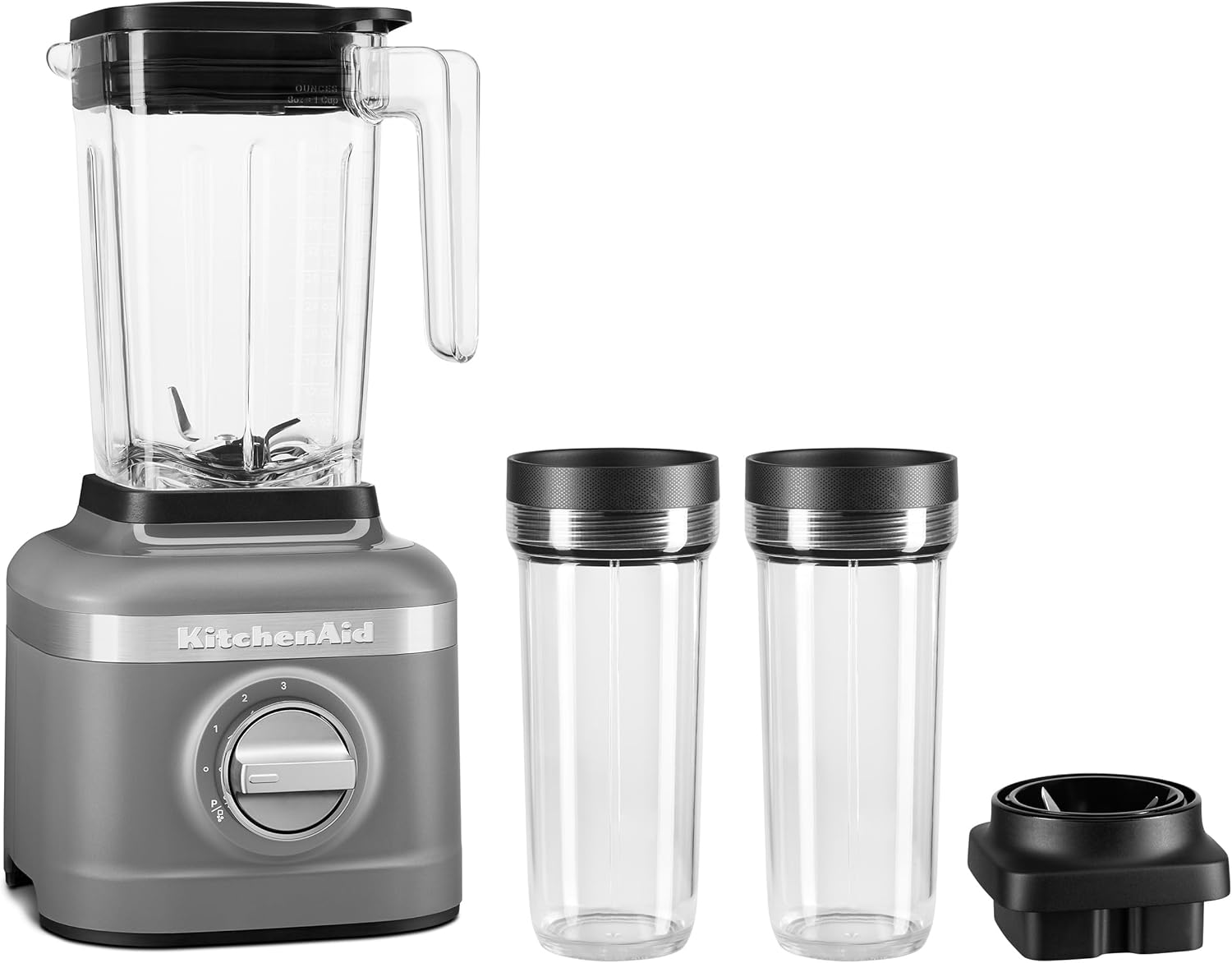
KitchenAid K150
Best for everyday greens and general smoothies: a balanced pitcher blender for consistent daily use.
- Good everyday smoothie performance
- Reliable for fruit + spinach routines
- Pitcher capacity for batches
- Simple controls, fewer gimmicks
- Strong “kitchen workhorse” value
8. Oster Pro 1200 (value pick)
Oster’s Pro line is often a strong “value per dollar” pick when you want a pitcher blender without paying for premium branding. It’s especially reasonable if you make smoothies regularly but also want a blender for general tasks: sauces, soups (cooled), and simple kitchen blending.
The key to getting great smoothie results: don’t overfill, start with liquid, and let circulation build before adding all frozen fruit at once. In the sweet spot range, this can feel like a major upgrade from under-$100 jars.
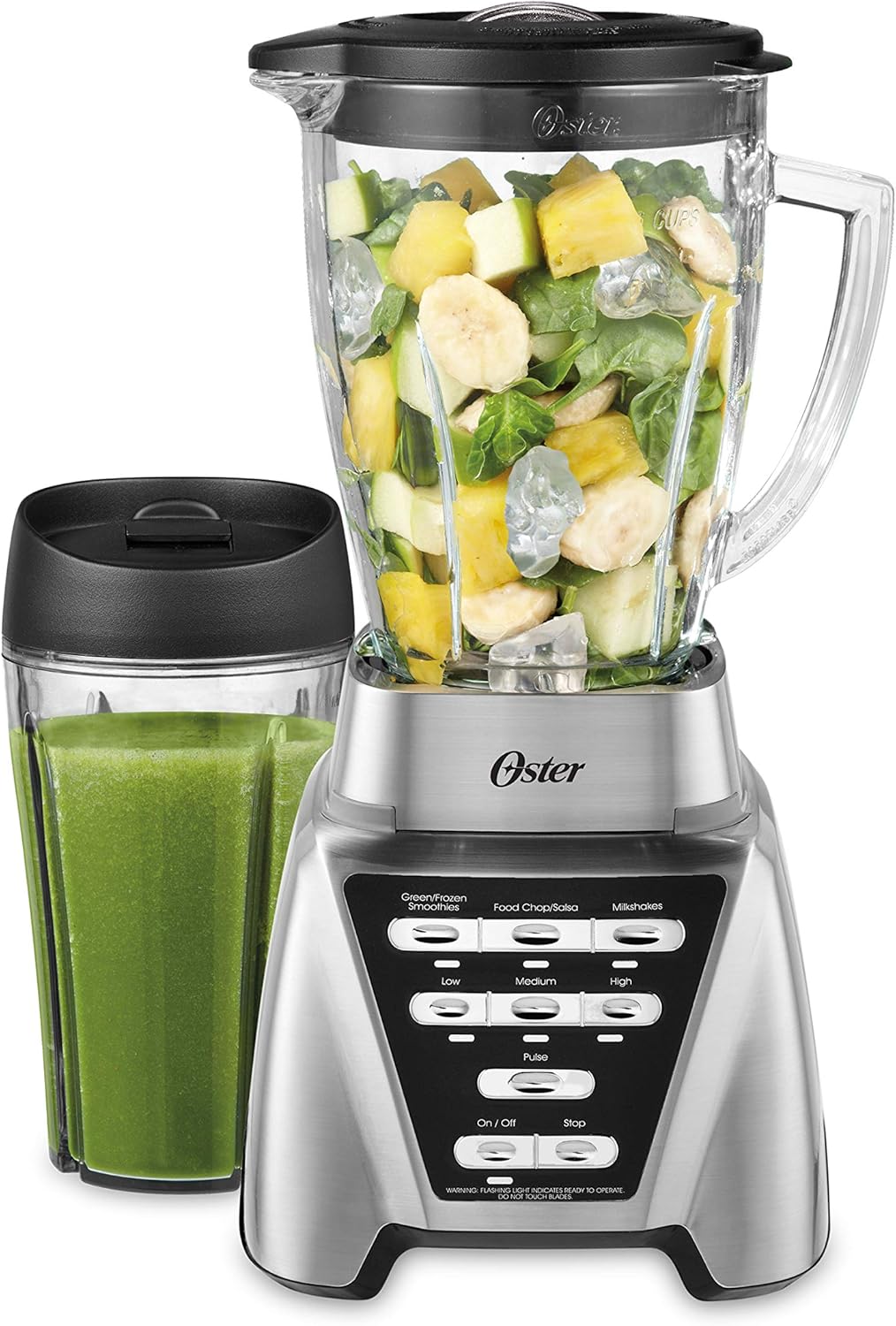
Oster Pro 1200 (value pick)
Best simple pitcher value: good everyday smoothies, better frozen results than basic jars, and practical kitchen versatility.
- Great value when priced in the sweet spot
- Good for family batches and meal prep
- Improved frozen-fruit performance vs cheap jars
- Practical for general kitchen blending
- Works best with staged frozen additions
9. Ninja Mega Kitchen System (selected bundles)
Bundled systems can be underrated in this tier. If you catch the right kit in the $100–$200 range, you may get a pitcher, personal cups, and extra utility without paying “premium accessory pricing.”
The real value is workflow coverage: big batches when you need them, personal smoothies when you don’t. If your household uses both formats, a bundle can be the most cost-effective way to stop compromising.
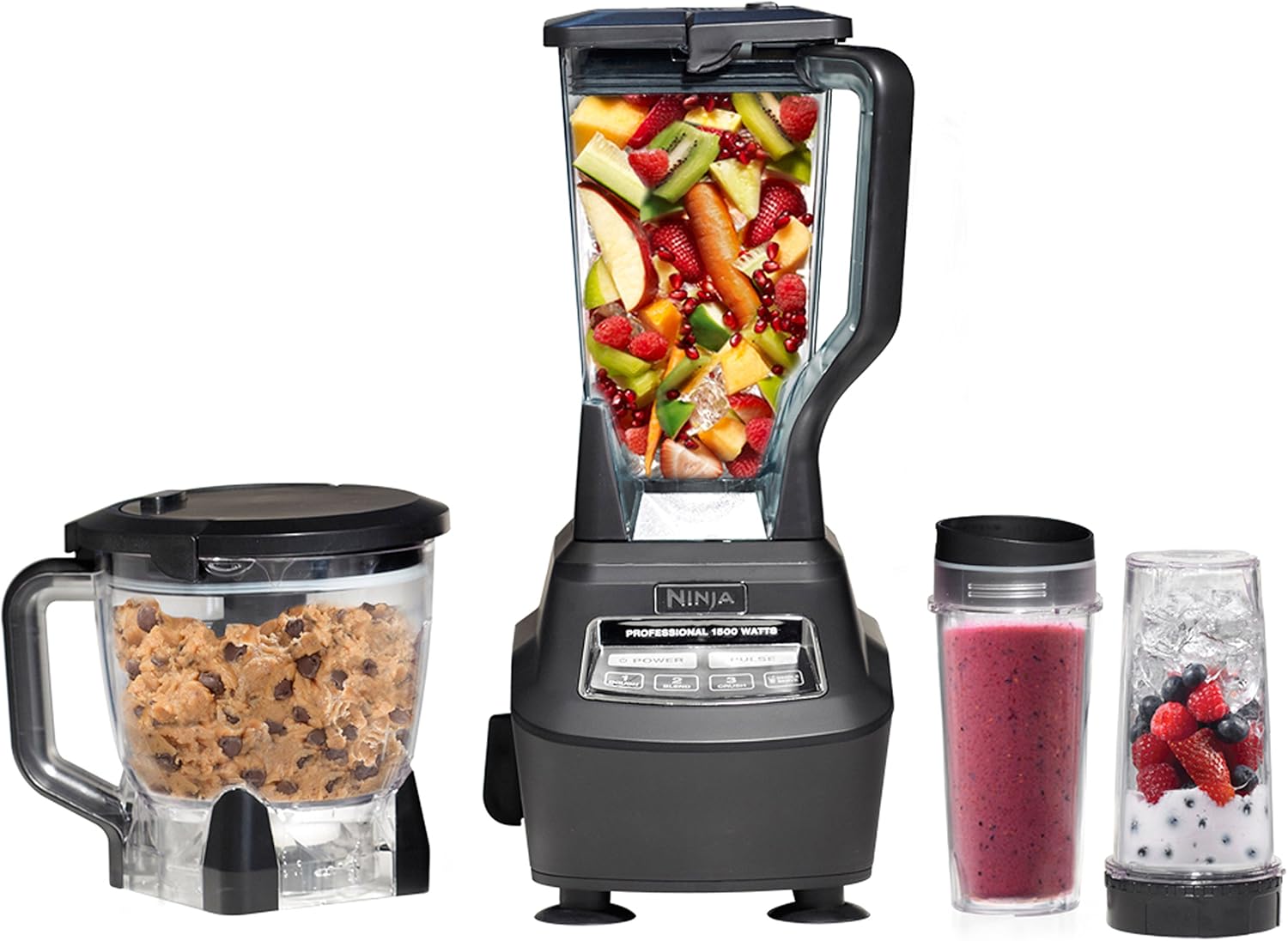
Ninja Mega Kitchen System (selected bundles)
Best big-kit value: pitcher + cups workflow coverage when you find the right bundle pricing.
- Flexible formats for different routines
- Good for both single servings and batches
- Often strong frozen blending performance
- Value improves when bundled on sale
- Great for shared kitchens
10. Beast Blender (sale-range pick)
This is the premium-feel personal blender pick when it lands in the sweet spot range. It’s not the choice for someone trying to maximize raw power per dollar. It’s the choice for someone who wants the routine to feel clean, simple, and pleasant. And yes—pleasant matters. Smoothie habits fail when the process feels annoying.
If you are consistent, a refined personal blender can be a rational purchase: fast blends, easy cleanup, and a kit you don’t hate seeing on the counter every day.
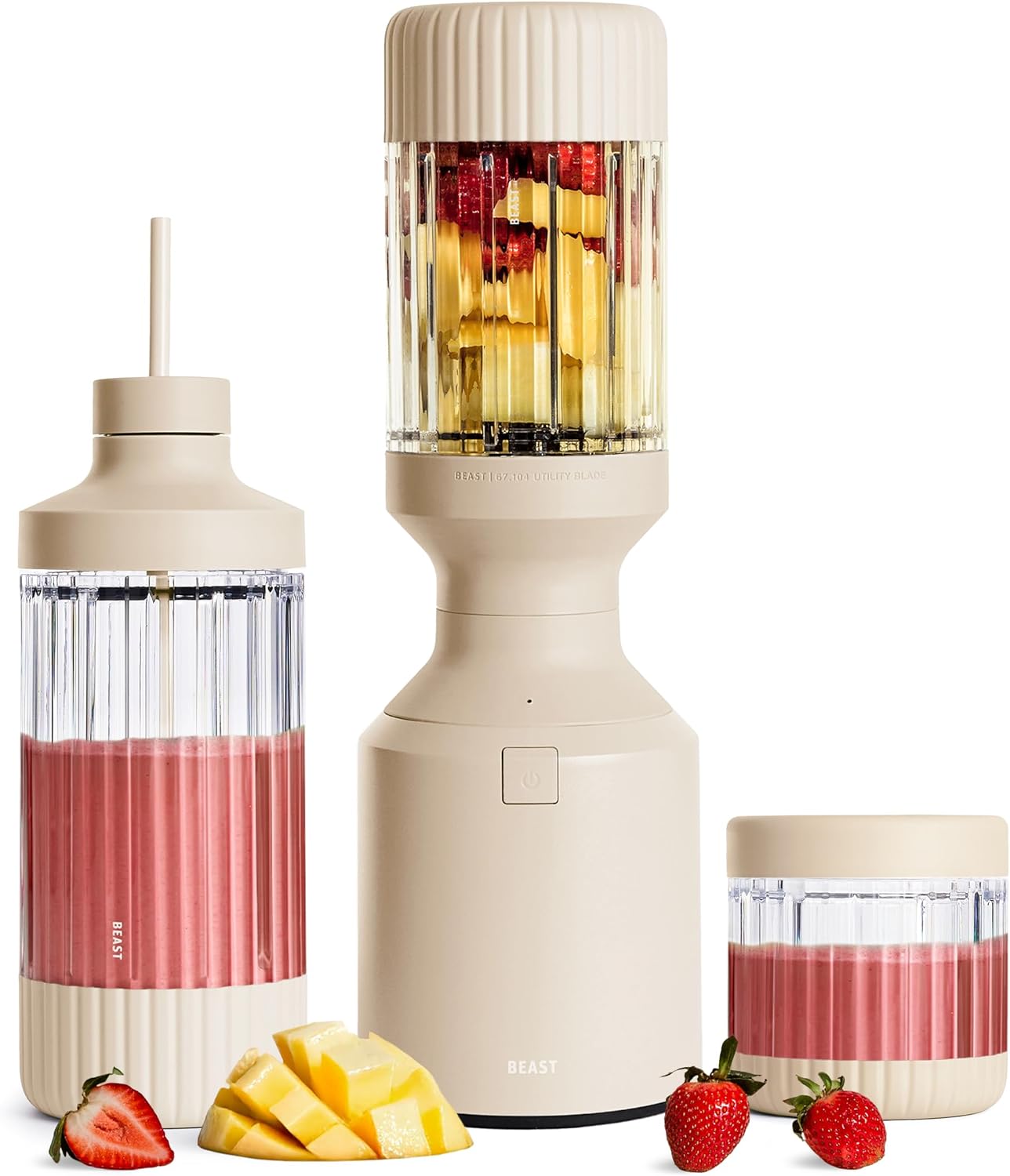
Beast Blender (sale-range pick)
Best minimalist premium personal: a cleaner daily routine and a refined countertop setup when priced in the sweet spot.
- Refined daily experience and design
- Great for routine-driven single servings
- Easy cleanup workflow
- Best value when discounted
- Good fit if you prioritize consistency
The Simple Buying Shortcut (60 Seconds)
If you want the fastest decision that’s usually correct:
- You want family batches and frozen fruit: choose a Ninja Professional Plus (BN701).
- You want the fastest daily routine: choose NutriBullet Pro+ 1200.
- You want thick, meal-style smoothies: choose Ninja TWISTi (SS151).
- You want one system for both cups and pitcher: choose Ninja Foodi Power Nutri Duo (SS101) or a Mega bundle.
- You want a calmer, more “kitchen” feel: choose a KitchenAid midrange model when priced right.
Bottom Line
The $100–$200 tier is where smoothie blending stops feeling like a compromise. You gain reliability: fewer stalls, smoother frozen fruit, and a workflow that is easier to repeat. Pick the format that matches your routine (cups, pitcher, or hybrid), and you’ll get more real value than chasing “watts” or guessing based on hype.