Quiet Smoothie Blenders for Apartments: Low-Noise Models Reviewed
“Quiet blender” marketing is messy. A lot of models are only quiet at low speed, and many sound “fine” until you add ice or frozen fruit. This guide is built for apartment reality: early mornings, neighbors, thin walls, and the need to blend without turning your kitchen into a power-tool demo. You’ll get 10 low-noise picks, plus the simple setup and technique that reduces noise dramatically—even on blenders that aren’t marketed as “quiet.”


Quiet blending comes down to two things: (1) design (sound enclosure, insulation, airflow) and (2) behavior (how you load ingredients, how long you run, and what the blender sits on). The picks below cover both extremes: true “sound-shield” machines and quieter home blenders that stay reasonable when you use the right method.
Quick Picks: Quiet Smoothie Blenders for Apartments
Every blender reviewed below is listed here. If you want the quietest result, prioritize sound-enclosure models. If you want a home-friendly option, focus on controlled blending + vibration control.
-
Quietest Overall (Best Apartment Choice): Blendtec Professional 800 (Stealth)
↓ Jump to Review -
Best True Sound Enclosure (Café-Level Quiet): Blendtec Stealth 885 (Sound Enclosure)
↓ Jump to Review -
Best Premium Home “Quiet Feel”: Breville Super Q
↓ Jump to Review -
Best Build + Controlled Noise: Vitamix 5200 (Classic Full-Size)
↓ Jump to Review -
Best Budget Sound Shield: Hamilton Beach Professional Quiet Shield
↓ Jump to Review -
Best Quiet-ish Full-Size Value: Ninja Detect Power Blender Pro (TB301)
↓ Jump to Review -
Best Everyday Apartment All-Rounder: Vitamix A2500 (Ascent)
↓ Jump to Review -
Best For Small Spaces: Beast Blender (Beast Health)
↓ Jump to Review -
Best “Quiet at Normal Use” Midrange: KitchenAid K400
↓ Jump to Review -
Best Affordable Single-Serve Routine: NutriBullet Pro+ (Personal Blender)
↓ Jump to Review
How Blender Noise Actually Works (What “Quiet” Really Means)
Blender sound isn’t one sound. It’s a stack of problems:
- Motor + airflow: the constant “engine” tone.
- Blade + ingredients: the sharp spikes when ice or frozen fruit hits the blades.
- Vibration: the part that travels through countertops and walls (this is what wakes people up).
- Resonance: hollow cabinets or thin counters amplify everything like a drum.
The quietest machines reduce multiple layers at once: enclosure + insulation + stable base + short blend cycles. A “quiet-ish” home blender can still work in apartments if you control vibration and avoid long, dry, ice-heavy runs.
The Apartment Quiet Setup Checklist (Low Effort, Big Impact)
Before you spend premium money, fix the environment. These steps reduce perceived noise more than people expect:
- Use a thick rubber mat: it blocks vibration from transferring into the counter.
- Move the blender away from the wall: a few inches reduces reflected sound.
- Avoid hollow cabinets: if your counter sits above empty space, put a towel or mat inside the cabinet below.
- Keep the jar lid seated perfectly: loose lids rattle and add sharp, annoying noise.
- Blend shorter: the goal is “done,” not “run it another minute.” Short cycles protect parts, too.
For longevity and part wear (seals, couplers, bearings), use this single internal maintenance guide: Extending Blender Lifespan: Seal Care, Couplers, Bearings, and When to Replace Parts. Quiet blenders still wear out when you overheat them.
Quiet Technique: How to Blend Frozen Smoothies Without “Power Tool” Noise
If you care about quiet, the worst mistake is dumping ice first and running max speed immediately. That creates violent impacts, stalls, and long run times. Use this method:
- Liquid first: just enough to start circulation.
- Soft binder next: banana, yogurt, or soft fruit reduces ice chatter and helps circulation.
- Frozen last (in layers): add gradually and use short pulses to break the top.
- Ramp speed slowly: quieter than jumping to max speed.
- Stop the moment texture is smooth: extra time equals extra noise and heat.
If you’re trying to get premium smoothie texture (not just quiet), use our one commercial cross-link: High-Performance Smoothie Blenders: When Premium Power Really Pays Off. (That’s the only commercial internal link in this article.)
Reviews: 10 Quiet Smoothie Blenders for Apartment Living
These picks cover true sound-enclosure machines, premium home blenders that feel less harsh, and compact options for small kitchens. Each model is here because it can fit apartment life—either by design or by being quiet enough with the right routine.
1. Blendtec Professional 800 (Stealth)
If you want the quietest “normal home” experience, the Professional 800 is the most direct solution: a powerful blender with a sound enclosure that cuts harshness and reduces the “wall-bouncing” noise that drives neighbors crazy. It’s not silent—no blender is—but it’s the closest thing to “apartment-friendly high performance” without switching to pre-made smoothies.

Blendtec Professional 800 (Stealth)
Quietest overall apartment choice: sound enclosure reduces harsh noise while still delivering real frozen-fruit smoothie power.
- Sound enclosure cuts perceived noise
- Strong for frozen fruit and ice-based smoothies
- Short, efficient cycles reduce heat + sound
- Great for daily use in thin-wall buildings
- Best “quiet + performance” balance
2. Blendtec Stealth 885 (Sound Enclosure)
If your priority is maximum noise reduction in an apartment, a normal “home blender” can’t really compete with a true sound enclosure. The Stealth 885 is designed for commercial-style smoothie work, and the enclosure does two important things: it reduces the harshness of the sound and cuts the amount of noise that bounces off walls and cabinets.
The second advantage is practical: because it’s built for frequent blending, it tends to finish faster and more consistently when you’re doing frozen fruit, ice, or thick recipes. In apartment life, that matters because total runtime is a big part of how “loud” a blender feels. Quieter + shorter cycles is the best combination.
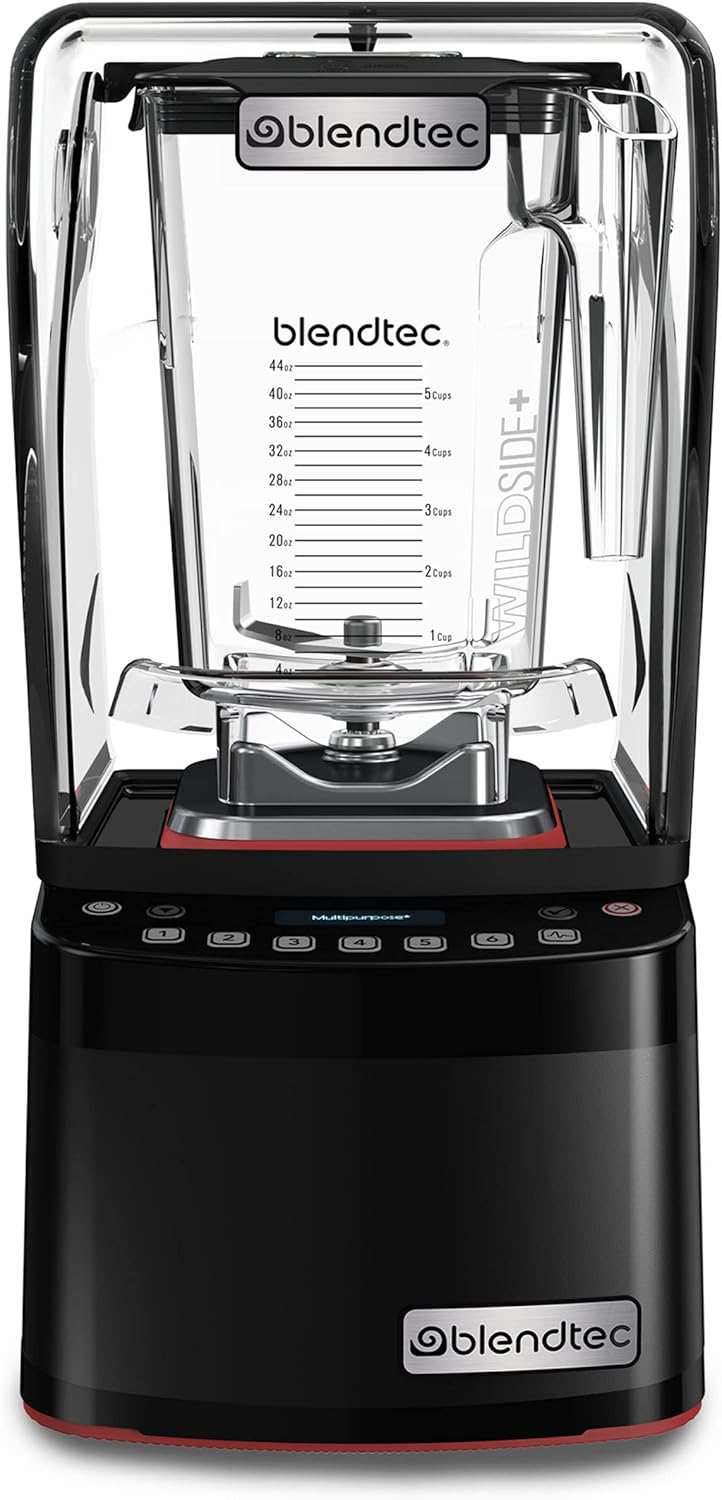
Blendtec Stealth 885 (Sound Enclosure)
Best true quiet shield: a sound-enclosure blender built for frequent frozen blends, reducing harsh noise and keeping routines apartment-friendly.
- Sound enclosure reduces perceived loudness and harshness
- Excellent for frozen fruit and ice-heavy smoothies
- Shorter cycles = less total noise exposure
- Commercial-style build for frequent blending routines
- Best pick when neighbors and thin walls are the main problem
3. Breville Super Q
Not everyone wants a commercial enclosure blender. The Super Q is for people who want a premium home machine with a more controlled, less aggressive sound signature. The practical benefit is a smoother day-to-day experience: fewer “shock spikes,” more guided blending, and generally less annoyance during normal smoothie routines.
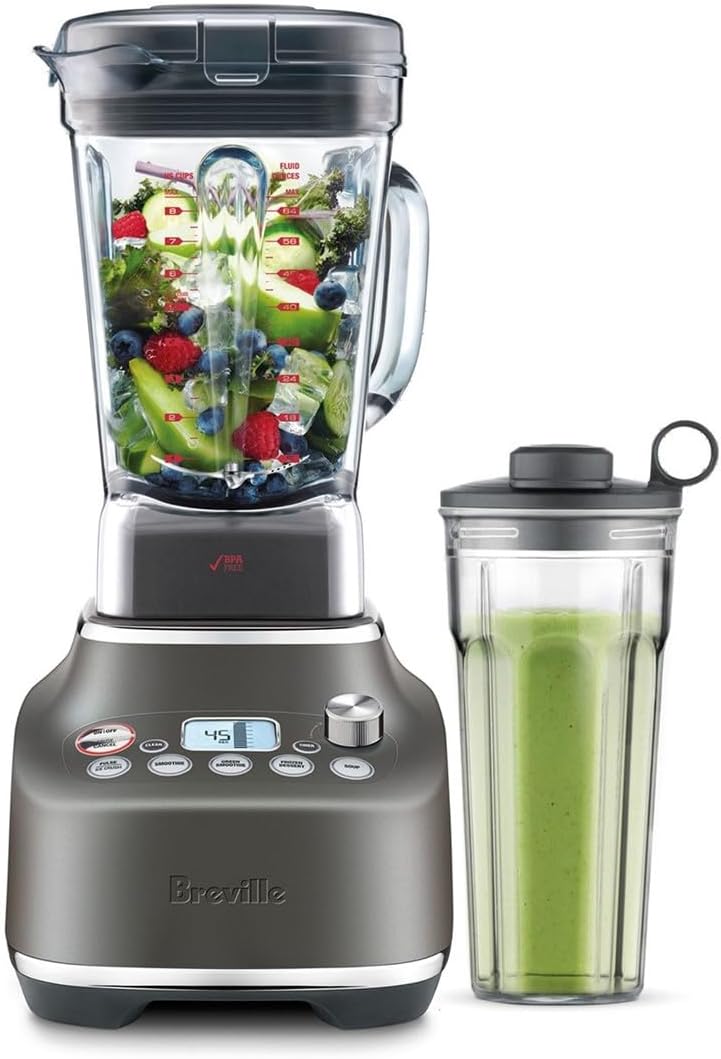
Breville Super Q
Best premium home “quiet feel”: strong results with a more refined, controlled blending experience for apartments.
- Preset-driven workflow reduces over-blending
- Strong for frozen fruit smoothies
- Less harsh day-to-day sound experience
- Good fit for shared living spaces
- Great balance of usability and performance
4. Vitamix 5200 (Classic Full-Size)
If you want a blender that is “quiet enough” in real apartment use, one of the best strategies is choosing a model that finishes blends quickly without repeated stalls. The Vitamix 5200 is a long-running standard for a reason: strong circulation, consistent pull-down, and reliable performance with frozen fruit and ice when you load ingredients correctly.
It’s not a sound-enclosure blender, so don’t expect silence. But it often feels more apartment-friendly than cheaper models because you spend less time fighting the blend. Combine it with a thick vibration mat and short cycles, and you get a routine that is predictable, fast, and less annoying than “loud for 90 seconds + re-blend + shake the jar.”
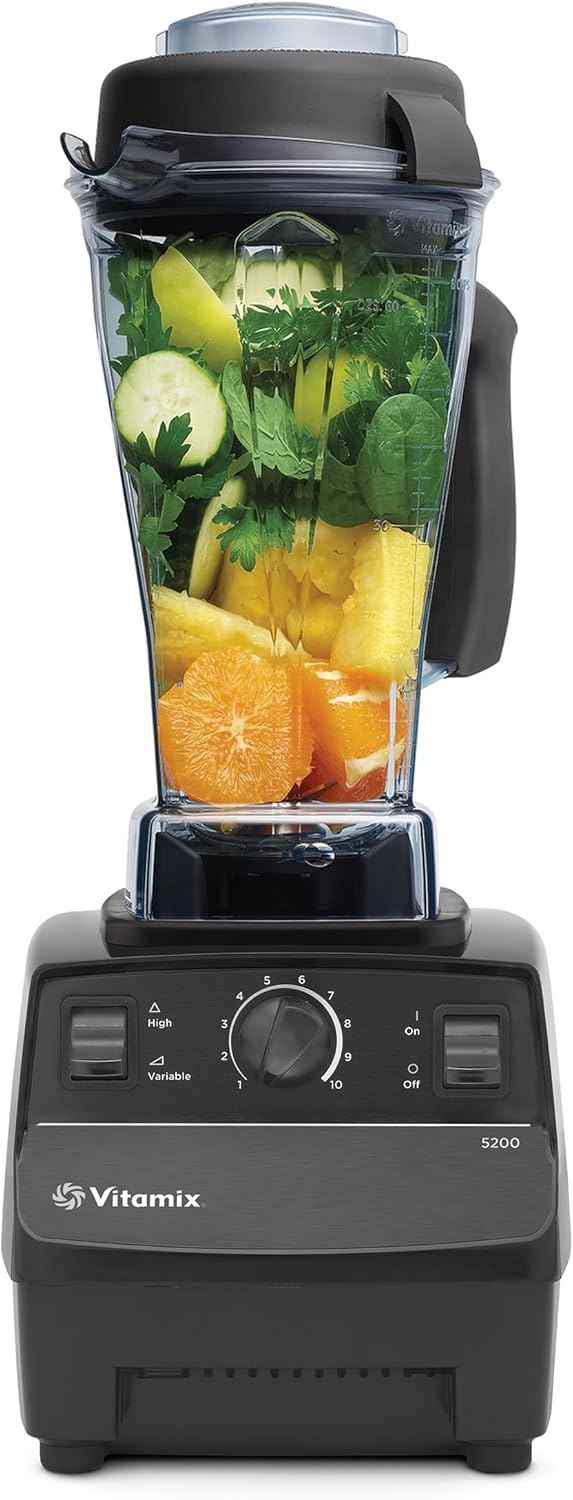
Vitamix 5200 (Classic Full-Size)
Best reliable workhorse: finishes frozen smoothies efficiently, reducing the long loud struggle cycles that make apartment blending painful.
- Strong circulation helps prevent stalls and re-blends
- Shorter cycles reduce noise exposure and heat buildup
- Excellent for frozen fruit smoothies and ice blends
- Very dependable for daily routines over time
- Best paired with a thick mat for vibration control
5. Hamilton Beach Professional Quiet Shield
If you want the “sound shield concept” but don’t want premium pricing, this category is the budget-friendly entry point. The right expectation: it won’t match café-level quiet, but it can be meaningfully less harsh than open-jar blenders—especially when you keep cycles short and avoid dry ice blending.
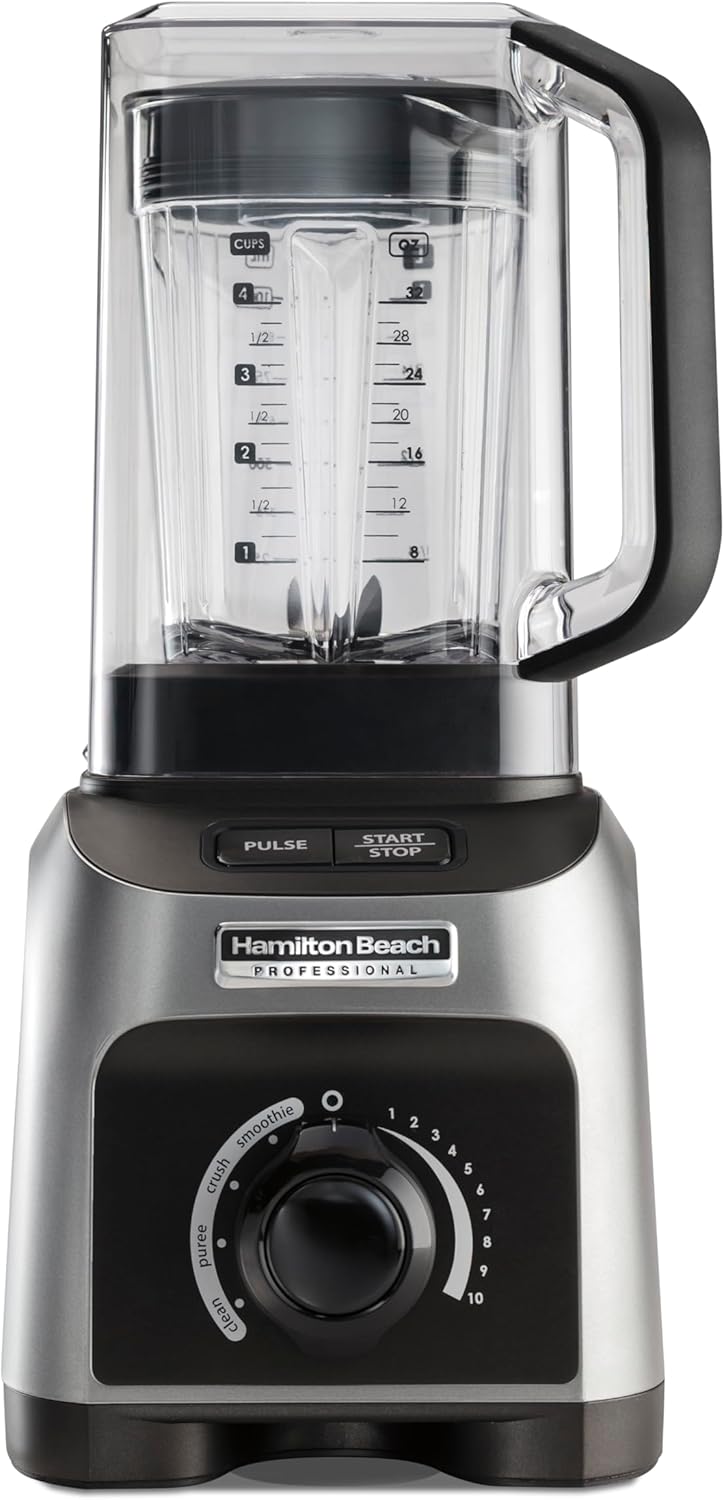
Hamilton Beach Professional Quiet Shield
Best budget sound shield: a practical way to reduce harsh blending noise in apartments without paying flagship prices.
- Sound cover reduces perceived harshness
- Good for basic frozen-fruit smoothies
- Best when used with short cycles
- Solid value for noise-sensitive kitchens
- Great “first step” into quieter blending
6. Ninja Detect Power Blender Pro (TB301)
This is a value-focused choice for apartments that want convenience: better predictability and fewer stall moments without jumping to full premium prices. It’s not a “silent blender,” but it can be quieter in practice because it helps you finish faster and reduces repeated re-blends when recipes vary.
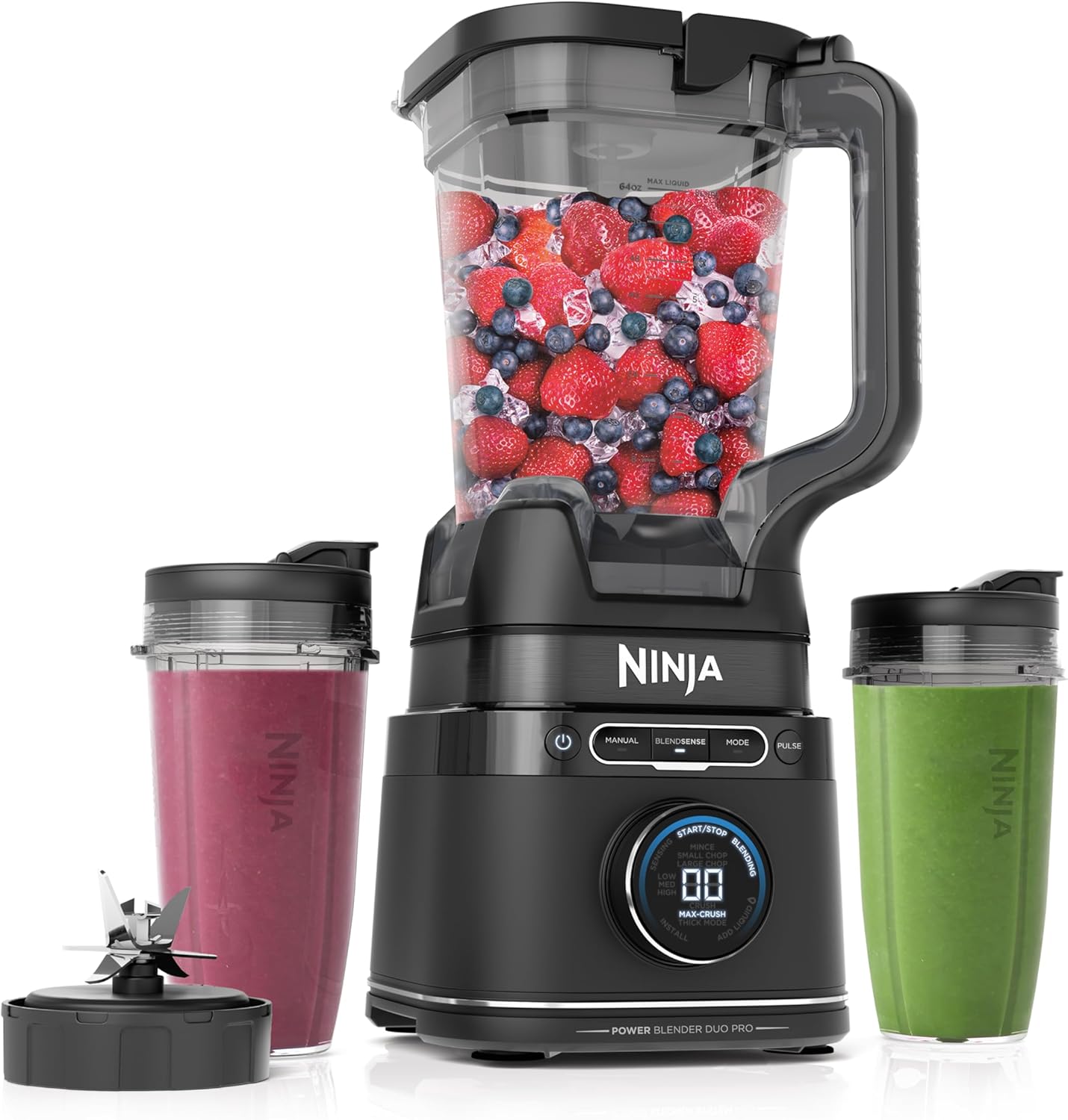
Ninja Detect Power Blender Pro (TB301)
Best quiet-ish full-size value: detection-driven blending that helps finish smoothies faster with fewer noisy retries.
- More consistent results when recipes vary
- Good frozen fruit smoothie performance
- Less “babysitting” reduces total noise time
- Strong value for shared apartments
- Best paired with a vibration mat
7. Vitamix A2500 (Ascent Series)
If you want premium smoothie texture but still care about daily living, the A2500 is a practical apartment option because it supports repeatable blending (less over-running) and tends to handle frozen blends without long, loud struggle cycles. It’s not an enclosure blender, but it’s often easier to live with than older “manual-only, run-it-forever” routines.
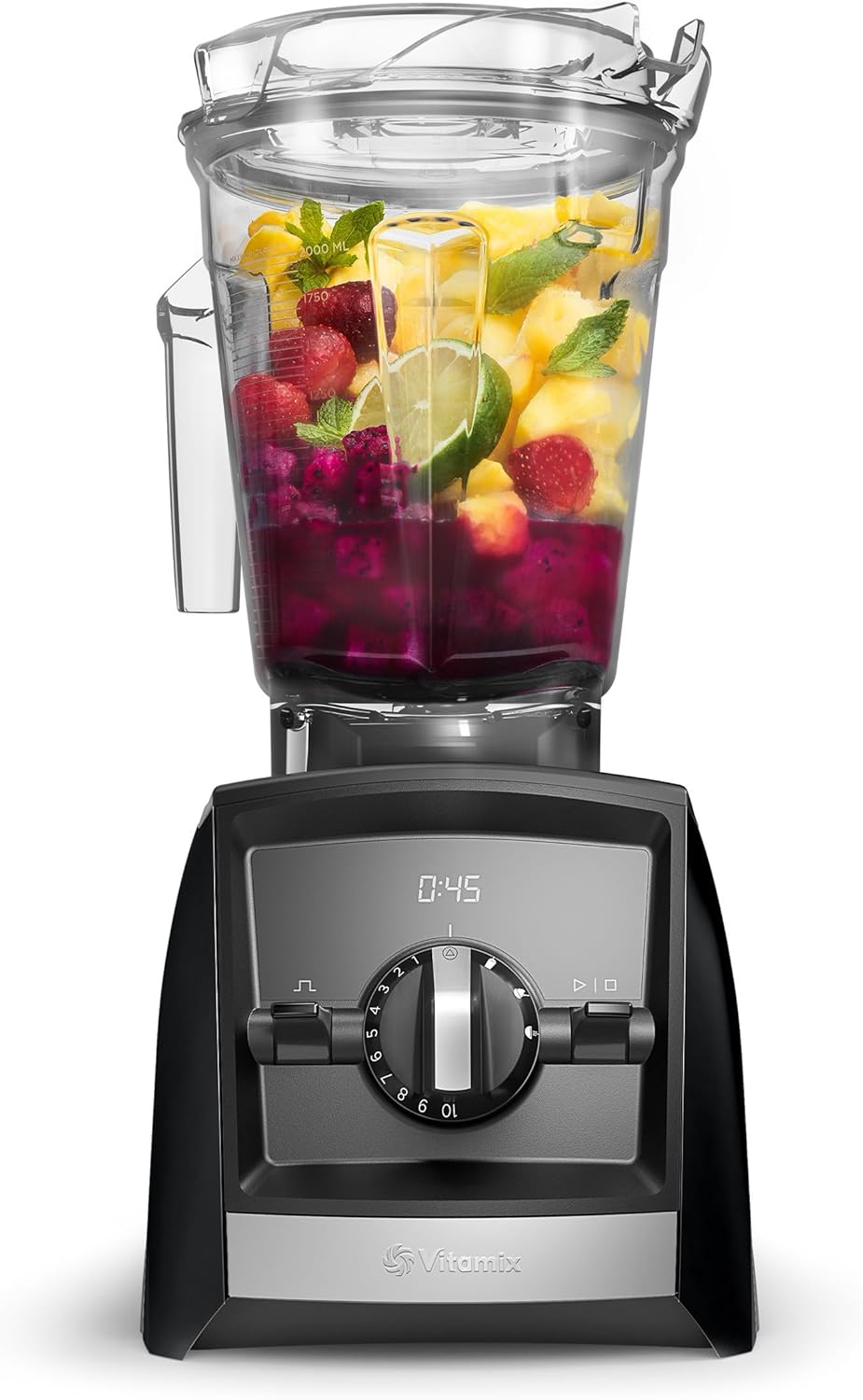
Vitamix A2500 (Ascent)
Best everyday apartment all-rounder: premium performance with repeatable blending that reduces long, loud runs.
- Strong for frozen fruit and greens
- Repeatable workflow reduces over-blending
- Shorter cycles = less noise exposure
- Great for daily smoothies in shared spaces
- Best premium choice without an enclosure
8. Beast Blender (Beast Health)
In apartments, smaller blenders often win because they reduce total blending time and limit the need for high-speed “polishing.” The Beast-style approach is compact and routine-friendly: good for single-serve smoothies, quick cleanup, and less “kitchen takeover.” It’s not meant for huge ice loads, but for normal smoothie ingredients it can be a clean, quiet-ish daily tool.

Beast Blender (Beast Health)
Best for small spaces: compact, routine-friendly smoothies with less disruption in apartments and shared kitchens.
- Compact footprint for small counters
- Fast single-serve smoothie workflow
- Less total runtime reduces noise exposure
- Great for everyday fruit + protein blends
- Best for apartment “quick mornings”
9. KitchenAid K400
This is a realistic apartment pick when you want a full-size jar blender that stays reasonable in normal use. It won’t match enclosure systems on ice, but for fruit smoothies, oats, yogurt, and moderate frozen loads, it can be comfortable to run without feeling like you’re disturbing the entire floor.
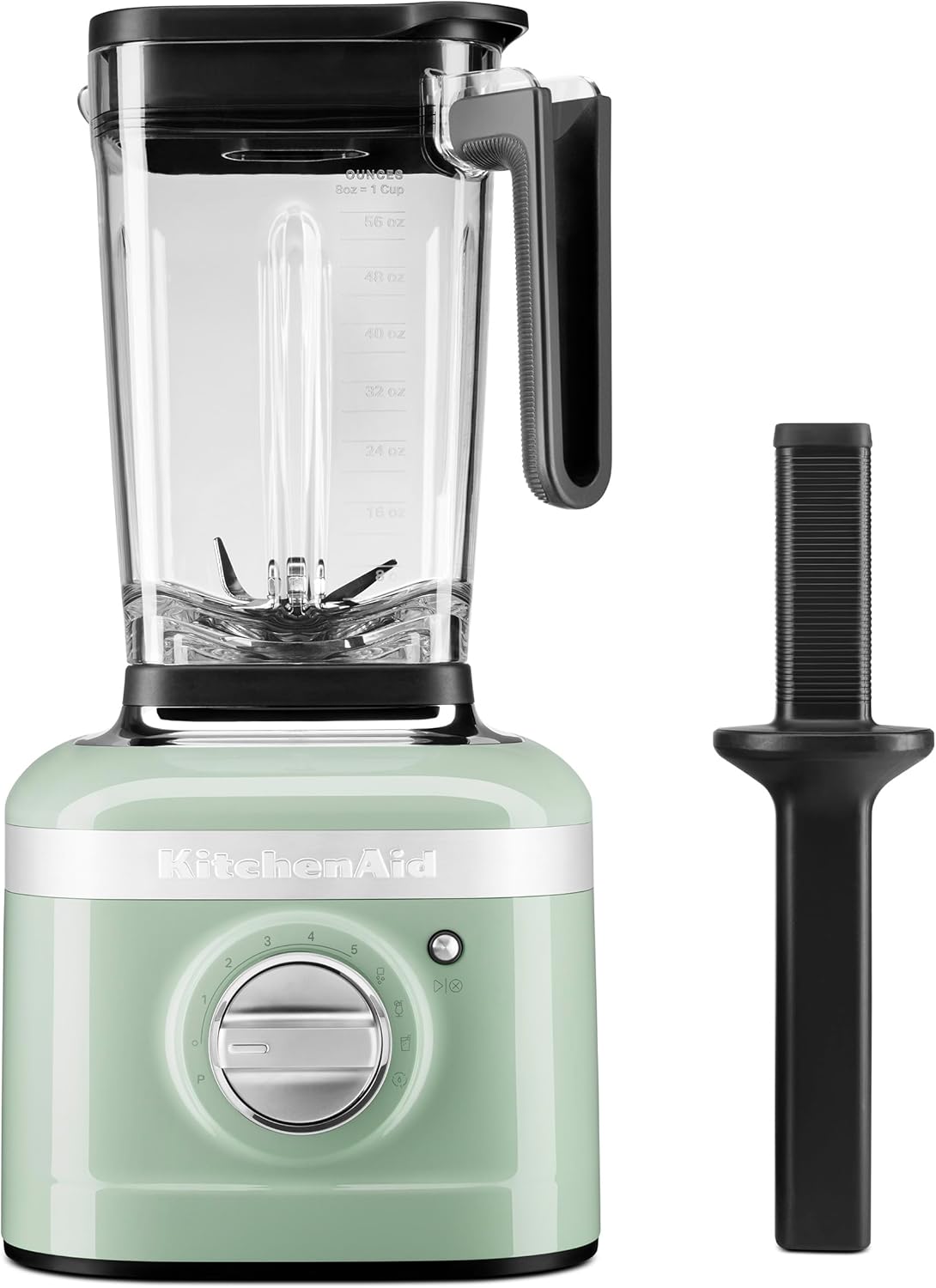
KitchenAid K400
Best “quiet at normal use” midrange: a comfortable everyday smoothie blender when you’re not doing constant ice-heavy slush.
- Good for fruit, yogurt, and protein smoothies
- Reasonable noise profile for daily use
- Works best with controlled frozen loads
- Solid pick for apartments on a midrange budget
- Great when paired with a vibration mat
10. NutriBullet Pro+ (Personal Blender)
Personal blenders aren’t “silent,” but they can be apartment-friendly because they’re fast, simple, and reduce total noise time. If your smoothies are single-serve, and you mainly use fruit, protein powder, and moderate frozen ingredients, a Pro+ style personal blender can be the most practical option: blend, rinse, done.

NutriBullet Pro+ (Personal Blender)
Best affordable single-serve routine: fast smoothies with minimal total runtime—often the simplest way to stay apartment-friendly.
- Short blend cycles reduce noise exposure
- Easy cleanup for small kitchens
- Great for daily fruit + protein blends
- Best for single-serve apartment routines
- Smart budget choice if you don’t need big batches
How to Choose in 60 Seconds
- You want the quietest real solution: Blendtec Professional 800.
- You want café-level enclosure quiet: Vitamix Quiet One.
- You want premium home usability: Breville Super Q.
- You mainly want less vibration: Wolf Gourmet + a thick mat.
- You want budget noise reduction: Hamilton Beach Quiet Shield.
- You want compact + fast: Beast Blender or NutriBullet Pro+.
Bottom Line
In apartments, “quiet blender” is a system—not just a product. The best results come from pairing the right model with vibration control, short cycles, and smart ingredient loading. If you want maximum noise reduction, choose a sound enclosure blender. If you want a realistic daily option, pick a stable home model and use the quiet technique. Either way, you can blend consistently without feeling like you’re starting construction in your kitchen.
